

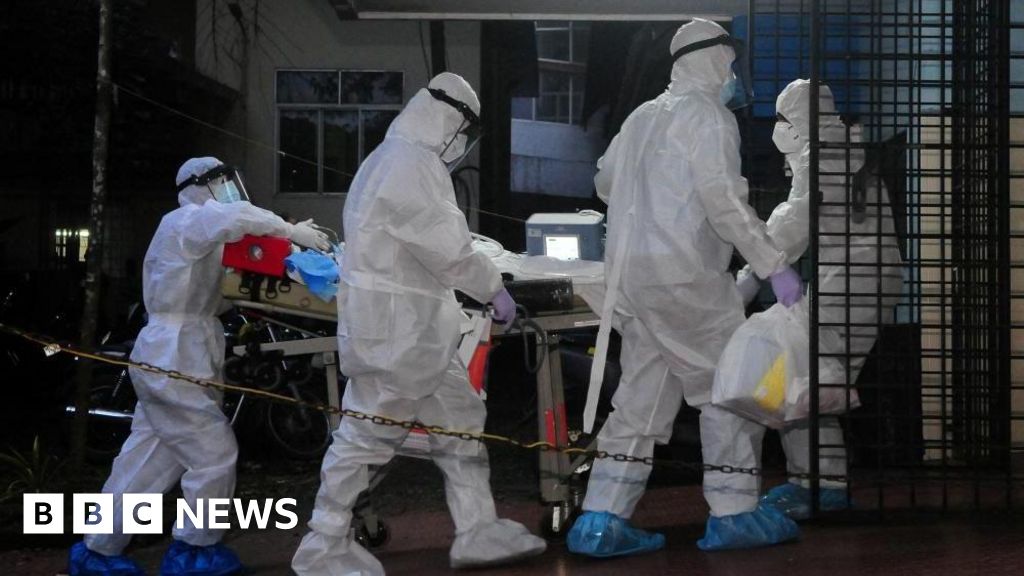
In recent news, Kerala has been grappling with a fresh outbreak of the Nipah virus, a potentially deadly infection that has raised alarms among health officials and the public alike. The virus, which has claimed the life of a 14-year-old boy in Kozhikode, has prompted swift government action and public health advisories.
According to reports, the young boy was admitted to a local hospital with symptoms of fever and altered consciousness. Despite efforts to stabilize his condition, he succumbed to the illness, marking Kerala's first Nipah virus fatality since 2018. Health authorities have since activated their response protocols, initiating contact tracing and isolating individuals who may have been exposed to the virus.
The Nipah virus is known to cause severe illness in both humans and animals. It is transmitted through direct contact with infected bats, pigs, or other animals, as well as through human-to-human contact. Symptoms of the infection include fever, headache, dizziness, nausea, and respiratory issues, which can progress to encephalitis, or inflammation of the brain, posing a significant risk of mortality.
In addition to Kerala, Maharashtra has reported 28 cases of Zika virus in 2024, further straining the region's public health resources. The simultaneous outbreaks of Nipah and Zika viruses have underscored the importance of robust surveillance and response mechanisms to contain and mitigate the spread of infectious diseases.
The Kerala state government has implemented stringent measures to contain the spread of the Nipah virus, including the identification of over 330 individuals who may have come into contact with the infected boy. Out of these, 101 are categorized as being at high risk of contracting the virus and are under close medical observation.
Health officials have emphasized the importance of early detection and prompt medical intervention in managing Nipah virus cases. Efforts are also underway to educate the public about preventive measures such as avoiding direct contact with sick animals, practicing good hygiene, and seeking immediate medical attention if symptoms of the virus are observed.
The World Health Organization (WHO) and other international health bodies are closely monitoring the situation in Kerala, offering technical support and guidance to local health authorities. They have reiterated the need for transparency, collaboration, and information sharing to effectively combat the spread of infectious diseases in a globalized world.
As the situation continues to evolve, health experts are urging vigilance and caution among the public, especially in regions where the Nipah virus has been detected. The rapid response and coordinated efforts of healthcare professionals, government agencies, and the community at large will be crucial in containing the outbreak and preventing further casualties.


0 Comments