

East Coast Storm Unleashes Chaos: Power Outages, Travel Disruptions, and Winter Weather
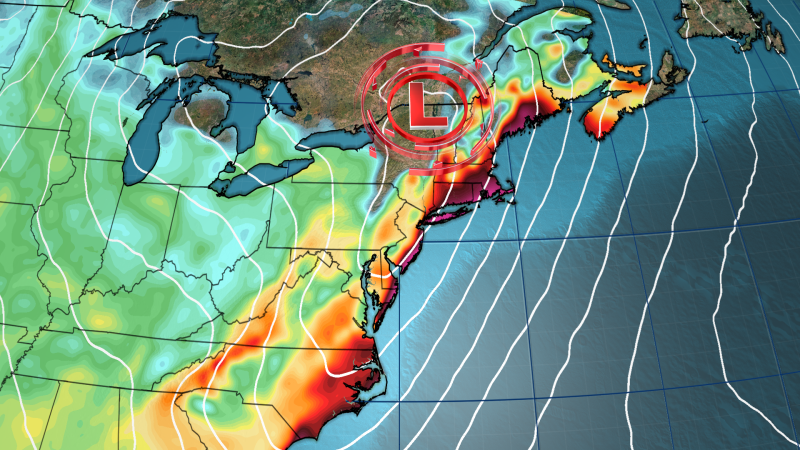
Millions across the U.S. East Coast are grappling with the aftermath of a powerful storm system that brought heavy rainfall, hurricane-force wind gusts, and widespread travel disruptions. On Wednesday, this rapidly strengthening storm left its mark, starting in the Ohio Valley and intensifying as it swept through the Northeast, impacting regions from the Carolinas to Maine.
With winds exceeding 70 mph and record rainfall in some areas, the storm caused severe power outages and flooded major roadways, creating chaos for residents and travelers alike. For example, Boston saw parts of Interstate 93 and 90 submerged, although quick drainage efforts by local authorities mitigated longer disruptions. Meanwhile, cities like Providence, Rhode Island, broke daily rainfall records, receiving over 2.4 inches of rain within hours.
Also Read:- Selena Gomez Announces Engagement to Benny Blanco with a Heartfelt Tribute
- Power Outages Surge Across Rhode Island Amid Severe Storm
Adding to the complications, the storm’s impact on air and rail travel was monumental. Airports from Washington, D.C., to Boston faced delays averaging 1-3 hours, with more than 4,000 flights delayed and nearly 800 canceled across the country. Major hubs like Boston Logan International and Reagan National in Washington, D.C., bore the brunt of the disruptions, while Amtrak reported delays due to adverse conditions.
Utility companies worked tirelessly to address power outages caused by falling trees and damaged power lines. In North Carolina alone, 20,000 outages were reported, with similar clusters across Virginia, Ohio, and Pennsylvania. Eversource Connecticut emphasized their proactive planning, highlighting the challenges posed by strong winds and cold weather in the storm's aftermath.
Compounding the storm’s effects, another arctic blast loomed in its wake, promising dangerously cold temperatures for millions already struggling with outages. Simultaneously, areas downwind of the Great Lakes braced for lake-effect snowstorms, with forecasts predicting up to 20 inches of accumulation in some regions. Blizzard-like conditions were anticipated in parts of New York as wind gusts reached 45 mph, further complicating travel and daily life.
This atmospheric river-fueled storm serves as a stark reminder of nature’s unpredictable power. While some regions welcomed the rain to alleviate drought conditions, the storm's disruption underscores the need for preparation and resilience in the face of extreme weather events.
Read More:


0 Comments