

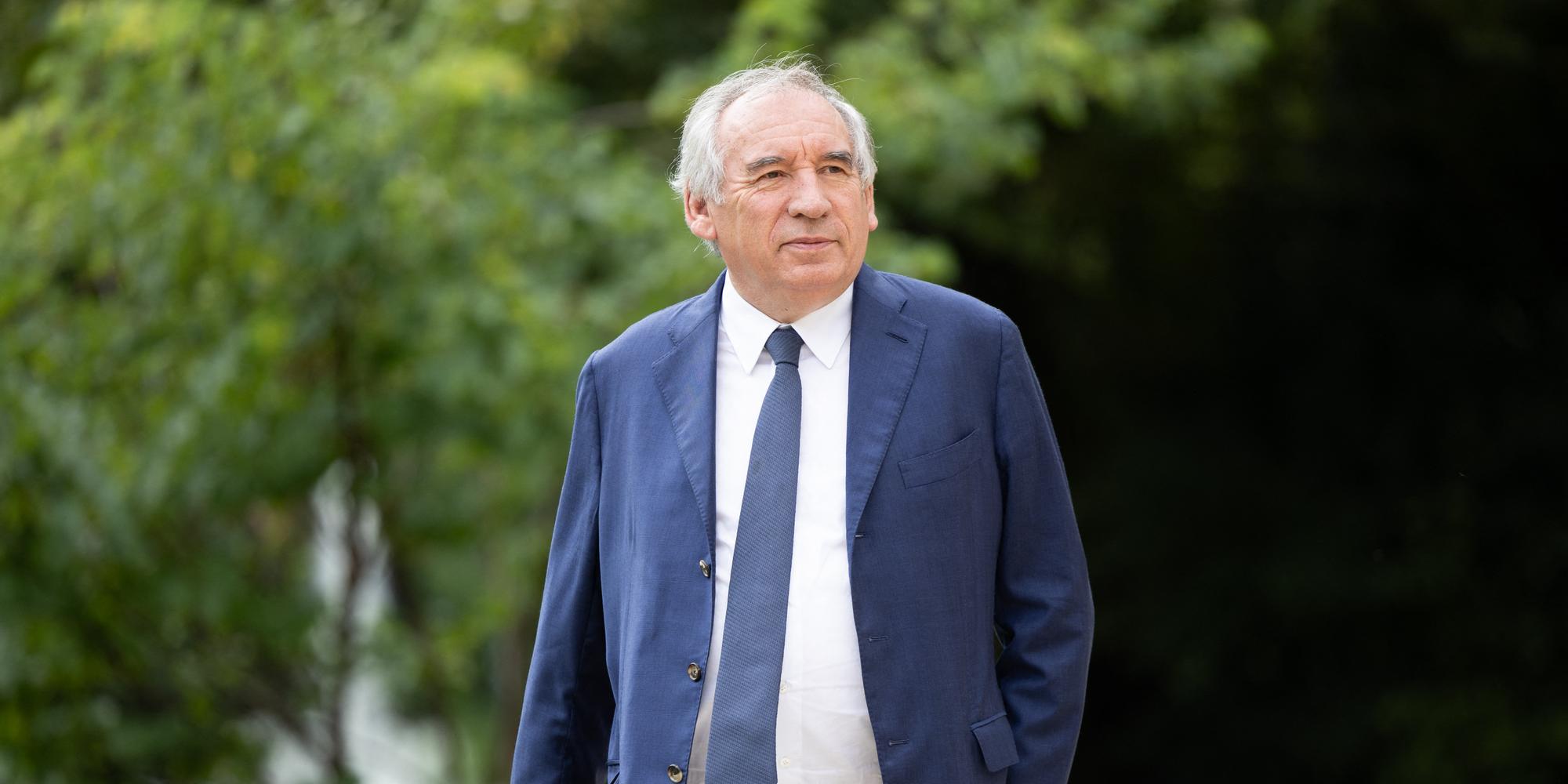
François Bayrou Appointed as Prime Minister by Emmanuel Macron
On December 13, 2024, French President Emmanuel Macron made a significant political move by appointing François Bayrou, the centrist leader of the MoDem party, as the new Prime Minister. This decision came after nearly ten days of political uncertainty following the censure of the previous Prime Minister, Michel Barnier, by the National Assembly. Bayrou's nomination marks a crucial moment in France's political landscape, as he is tasked with navigating the country's current political crisis and forging a government that can achieve stability and advance the President's agenda.
Bayrou, a seasoned political figure, has been a close ally of Macron for many years. His appointment is seen as an attempt by the President to consolidate support and unite various factions within the French political spectrum. However, the appointment has sparked mixed reactions across the political spectrum. Bayrou's selection follows a series of consultations with different political groups, and despite some criticism, his candidacy was deemed by Macron's circle as the most consensual option. According to sources close to the President, Bayrou was seen as the best candidate to form a broad-based government capable of addressing the country's pressing issues, including economic reforms and the management of the current parliamentary gridlock.
Also Read:- FIFA’s Shameless World Cup Decision: Saudi Arabia's 2034 Host Vote and the Reality of Power
- Brock Jarvis vs. Adrian Rodriguez: Free Live Stream, Time, and Fight Details for 2024
Bayrou's nomination comes with significant challenges. France is facing an unstable political situation, with no clear majority in the National Assembly. His ability to engage in dialogue with all political parties, excluding the far-right Rassemblement National and La France Insoumise (LFI), will be crucial for his success. His role will be to foster a government of national unity that can navigate these turbulent political waters. Bayrou is expected to work towards securing parliamentary support for the 2025 national budget and overcoming the threat of censure motions from opposition parties.
The appointment of Bayrou has also drawn criticism from various quarters. Some left-wing figures, including Marine Tondelier, have expressed disbelief at the decision, calling it electorally incoherent. Tondelier argues that if Macron’s government continues to rely on the same figures, like Gérald Darmanin at the Interior Ministry, it risks failing to address key issues such as pensions, environmental policy, and fiscal justice. Furthermore, members of the left-wing La France Insoumise party, like Mathilde Panot, have criticized the move, labeling it as a further blow to democratic integrity.
Despite the controversies, some political figures have endorsed Bayrou’s appointment. Gabriel Attal, for instance, praised Bayrou for his ability to defend the national interest and bring the much-needed stability that the French public expects. On the other hand, figures like Jordan Bardella from the Rassemblement National indicated that while they would not oppose Bayrou’s nomination, they emphasized the need for him to acknowledge the lack of a democratic majority and engage in dialogue with all parties in the parliament.
As Bayrou steps into the role of Prime Minister, the eyes of the nation are on him to see how he will tackle the immense political challenges ahead. Will he be able to bridge the divides within the French political system, or will his government falter under the weight of political infighting? Only time will tell, but Bayrou’s appointment undeniably marks a pivotal moment in Macron’s presidency.
Read More:


0 Comments