

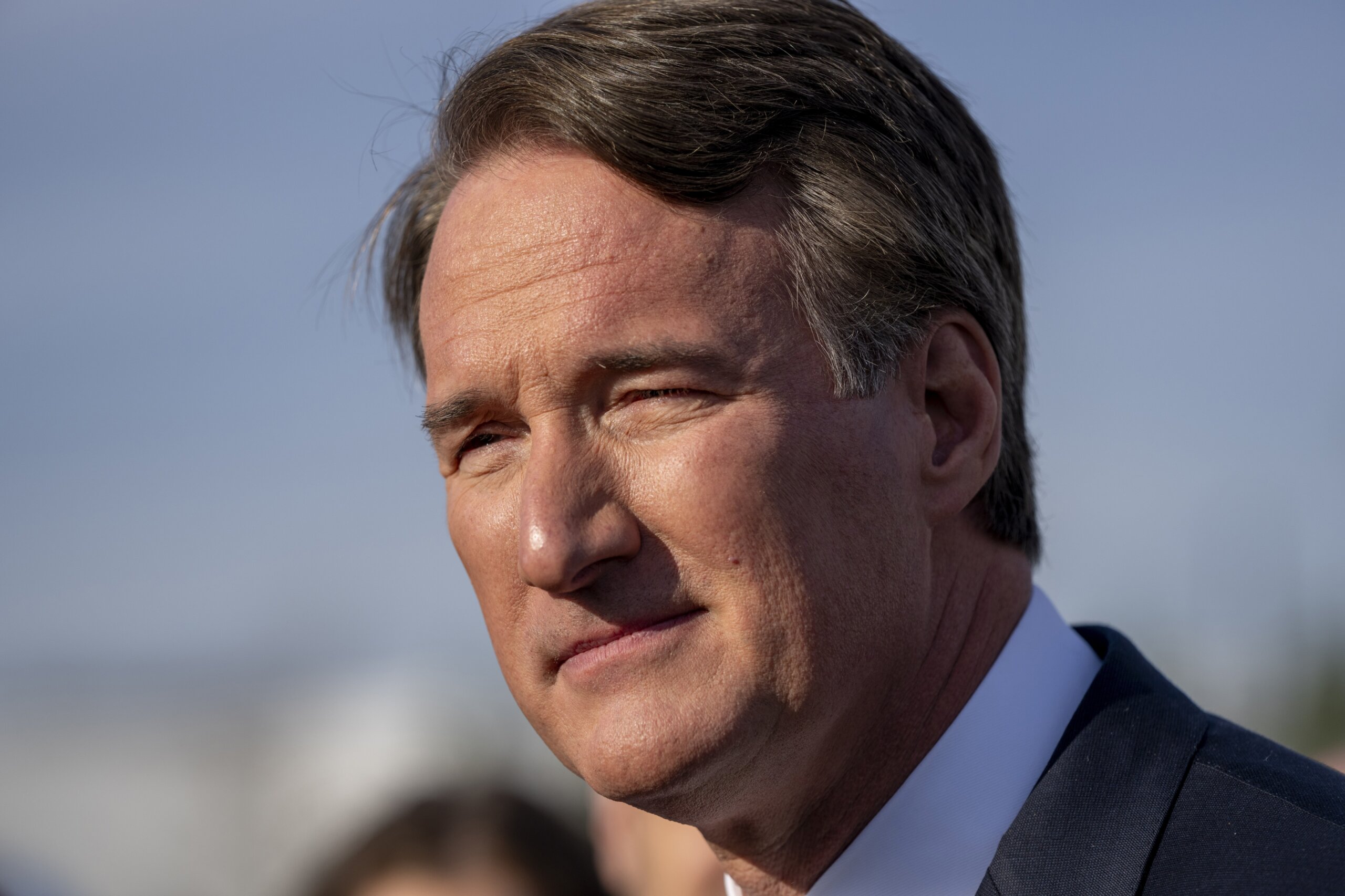
Gov. Glenn Youngkin's Bold Budget Proposal to Shape His Legacy in Virginia's Final Year
As Governor Glenn Youngkin approaches his final year in office, he has unveiled an ambitious and bold budget proposal aimed at defining his legacy. On Wednesday, Youngkin presented a sweeping plan that focuses on key areas like tax cuts, education, infrastructure, public health, and workforce development. With Virginia’s economy performing strongly, the governor is using this budget to address both immediate needs and long-term objectives, hoping to guide the Commonwealth through a transformative period.
A central part of Youngkin’s proposal is reducing the cost of living for Virginians. He emphasized that Virginia has not only recovered from the global pandemic but is now flourishing with surplus revenues. He pointed out that Virginia’s economy is growing due to strong job growth, corporate investment, and impressive revenue increases. With this backdrop, the governor proposed additional tax cuts to alleviate financial burdens for residents. One of the most talked-about aspects of the proposal is the plan to eliminate Virginia's personal car tax, a policy that Youngkin has advocated for over the years. Though a full repeal may not be achievable in this short legislative session, he is calling for a step forward, providing a $1.1 billion fund to offer car tax credits to millions of Virginians.
Also Read:- Rising Buruli Ulcer Threat in NSW as Cases Hit Batemans Bay
- "Survivor" Season 47 Finale: The Battle for $1 Million
Another significant aspect of the proposal is the focus on education. Youngkin has pledged nearly $1 billion in new funding for schools, including grants for private school expenses, a new scholarship program for underprivileged K-12 students, and more resources for school construction and safety. His plan also pushes for a cap on college tuition increases, encouraging institutions to cut administrative expenses rather than burden taxpayers with higher education costs.
Additionally, Youngkin is proposing an array of health-related initiatives. He’s advocating for $2.5 million to improve maternal health outcomes, with a focus on training midwives and doulas to address care gaps. Mental health also remains a priority, with $35 million aimed at improving crisis response and supporting individuals experiencing mental health crises. Another standout proposal is the establishment of a permanent disaster relief fund to help communities impacted by natural disasters, particularly in regions like Southwest Virginia that have suffered repeated flooding.
However, the governor’s budget is not without controversy. While Youngkin’s proposals on tax cuts, disaster relief, and health initiatives have been well received by some, they have also drawn cautious responses from lawmakers. Democratic leaders are expressing the need for detailed reviews before any commitments are made, particularly on issues like the funding for “sanctuary cities” and cuts to service workers’ tax burdens.
As the General Assembly prepares for the 2025 legislative session, this budget proposal is set to spark intense debates and negotiations. Youngkin’s leadership will be tested as both sides of the aisle work to shape Virginia’s future, with the governor’s ambitious priorities likely to face both support and resistance in the coming months. With his legacy on the line, Youngkin’s final year in office promises to be a high-stakes and transformative period for the state.
Read More:


0 Comments