

Major Change Ahead for Energy Bills: Tariffs Without Standing Charges
Energy bills are set to undergo significant changes as the regulator Ofgem has announced plans to force energy firms to offer tariffs without standing charges starting next winter. This decision comes after widespread criticism of these charges, which many have described as unfair and burdensome, especially for those with lower energy consumption.
Standing charges are fixed daily fees that households must pay regardless of how much energy they use. These charges, which typically exceed £300 annually, cover the costs of maintaining the energy infrastructure, such as the networks that deliver electricity and gas, as well as billing and smart meter installation. However, for many households, particularly those with low energy usage, these charges have become a source of frustration. People argue that these fees feel like a "poll tax" – unfairly penalizing those who use less energy.
A notable example is Joanne Wilkinson, a mother on maternity leave in the north of England, who feels the weight of these charges, especially on a tight budget. Even though she tries to conserve energy, she sees little difference in her bill because of the high standing charges. This sentiment is echoed by many across the country, with citizens like Alex Belsham-Harris from Citizens Advice highlighting the struggles of people who cannot afford essential services like heating or charging medical equipment due to high bills.
Also Read:- Warriors vs Rockets Ends in Controversy, Curry's Final Shot Sparks Debate
- Democrats Should Rethink the "Social Security Fairness Act" Vote Before It's Too Late
To address these concerns, Ofgem has proposed a dual pricing system. One tariff would include standing charges, while the other would eliminate them but raise the per-unit cost of energy. Customers would be given the option to choose the plan that best suits their usage and budget. However, critics argue that this choice may not benefit everyone equally. For vulnerable customers with low energy usage, the option of a no-standing-charge tariff could bring financial relief. But for those with high energy needs, such as people who rely on specialized medical equipment, this could result in higher bills, potentially exacerbating their financial strain.
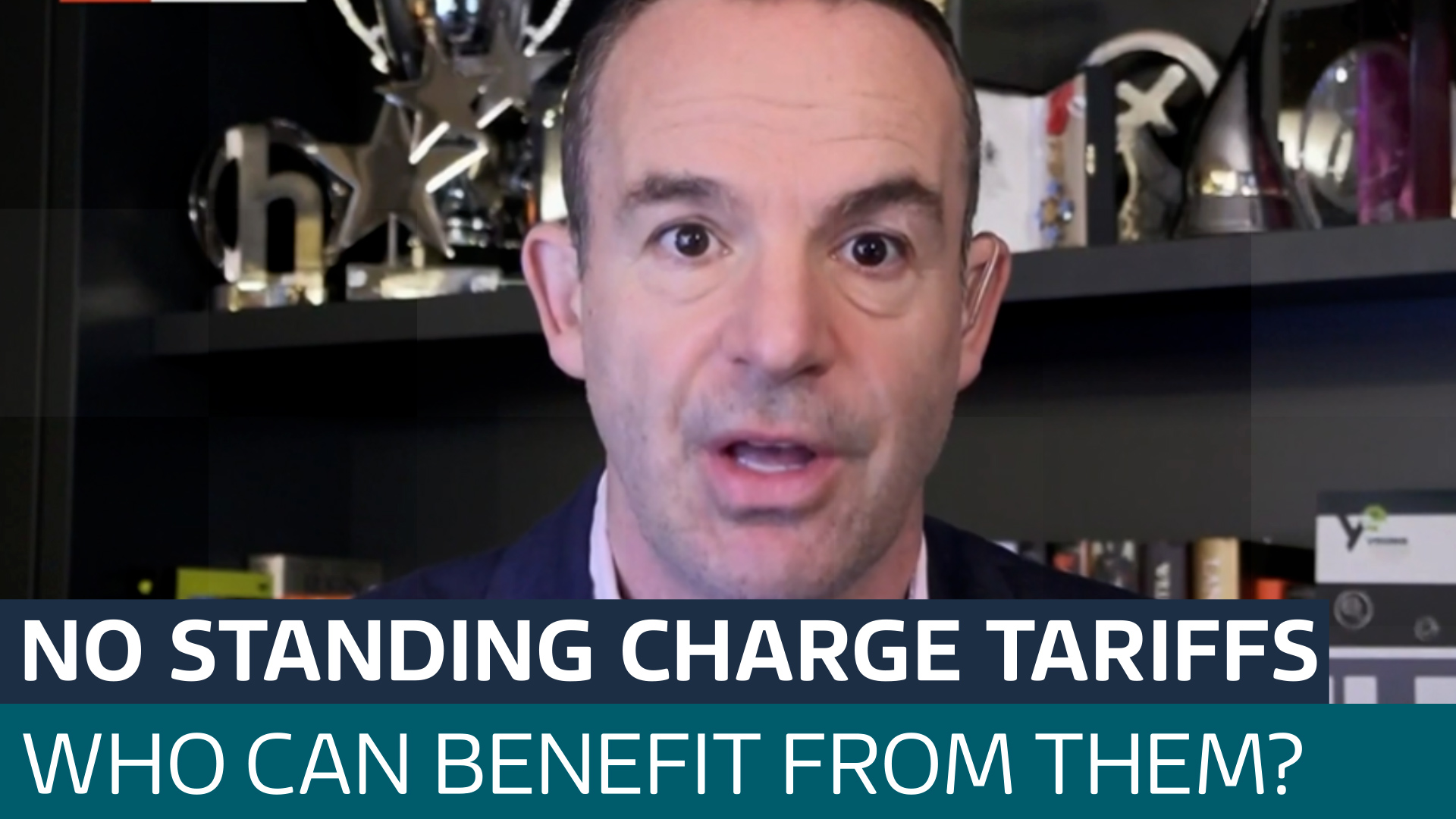
Although some energy suppliers already offer no-standing-charge plans, the practice isn't widespread. Ofgem's push to standardize this across the industry aims to provide more control and flexibility to consumers. However, concerns remain that some vulnerable individuals may not make the best choice, which is why campaigners like Martin Lewis from MoneySavingExpert are advocating for automatic transitions to no-standing-charge tariffs for low-energy users.
The proposal also includes addressing energy debt, which has skyrocketed during periods of high prices. The total outstanding debt has surged to £3.8 billion, and Ofgem is considering a "debt guarantee" to help those in arrears. This would provide consistent and compassionate support to households struggling with their energy bills.
While this overhaul represents a step forward, it is not without challenges. Energy UK, the trade body representing energy suppliers, has warned that such a significant change would require careful implementation to ensure all customers are fully informed about their options. Ofgem has made it clear that while scrapping standing charges altogether might sound appealing, it would disproportionately affect vulnerable, high-usage customers.
So, the proposed changes to energy tariffs, including the option for no-standing-charge plans, could offer much-needed relief to many households. However, it remains to be seen whether this shift will truly ease the burden on consumers, particularly those in vulnerable situations. As the new pricing models take shape, it’s clear that the debate surrounding energy costs will continue to evolve.
Read More:


0 Comments