

Tragic Death of OpenAI Whistleblower Sparks Debate on AI Ethics
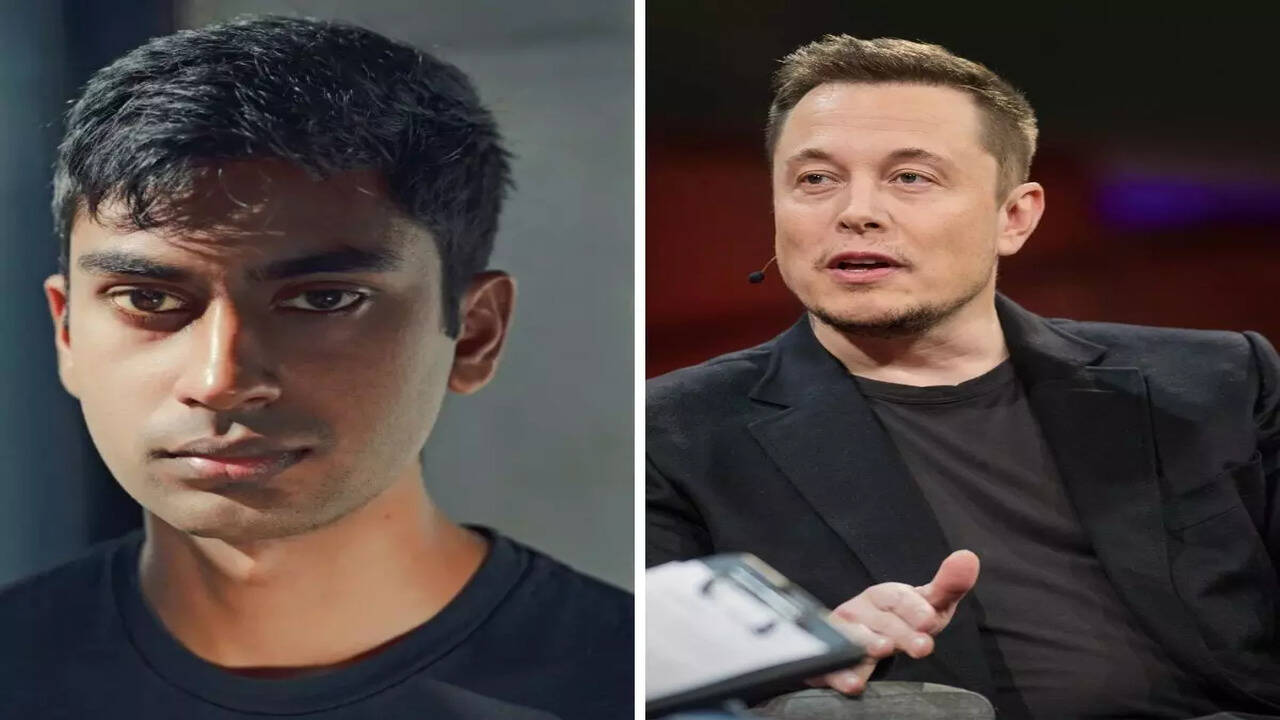
The tech world is reeling after the death of Suchir Balaji, a former OpenAI researcher and whistleblower, whose body was found in his San Francisco apartment on November 26, 2024. The San Francisco Police Department confirmed that the 26-year-old died by suicide, with no evidence of foul play. His death has ignited conversations about the ethical and societal implications of artificial intelligence, as well as the pressures faced by those challenging powerful corporations.
Also Read:- Peter Siddle Eyes Impactful Role in Big Bash League
- Travis Hunter Becomes 2024 Heisman Trophy Winner, A Historic Achievement
Balaji had been a vocal critic of OpenAI, the organization behind the popular AI chatbot ChatGPT. After leaving the company in August 2024, he openly accused OpenAI of violating copyright laws by using unauthorized data to train its AI models. In an October interview with The New York Times , he argued that OpenAI’s practices, including data scraping, harmed the internet’s ecosystem. “If you believe what I believe, you have to just leave the company,” he had stated. His claims added momentum to ongoing lawsuits against OpenAI, brought by major publishers and authors who allege their copyrighted works were used without consent.
Balaji's work at OpenAI spanned four years, during which he contributed significantly to ChatGPT’s development. However, his departure was driven by a growing unease about the company's practices and its shift from nonprofit ideals to profit-driven goals. After leaving, Balaji pursued personal projects and served as a key witness in lawsuits against OpenAI. Tragically, his death came shortly after legal filings named him as a critical figure in the case.
OpenAI expressed condolences, stating it was "devastated" by the loss and extending sympathies to Balaji's family. The tech community, however, is grappling with deeper issues. His allegations raised questions about the ethical boundaries of AI development, the responsibility of corporations in protecting intellectual property, and the societal toll on those who dare to challenge the status quo.
Prominent figures, including Elon Musk, who has his own legal disputes with OpenAI, reacted to the news. Musk’s cryptic comments on social media have fueled speculation about the broader implications of Balaji’s claims and the intense scrutiny surrounding AI companies.
Balaji’s death underscores the mounting tension in the tech industry as innovation collides with ethical concerns. His story highlights the need for transparency, accountability, and support for individuals who step forward to expose potential wrongdoing. The loss of such a promising mind serves as a stark reminder of the human cost of technological progress.
Read More:


0 Comments