

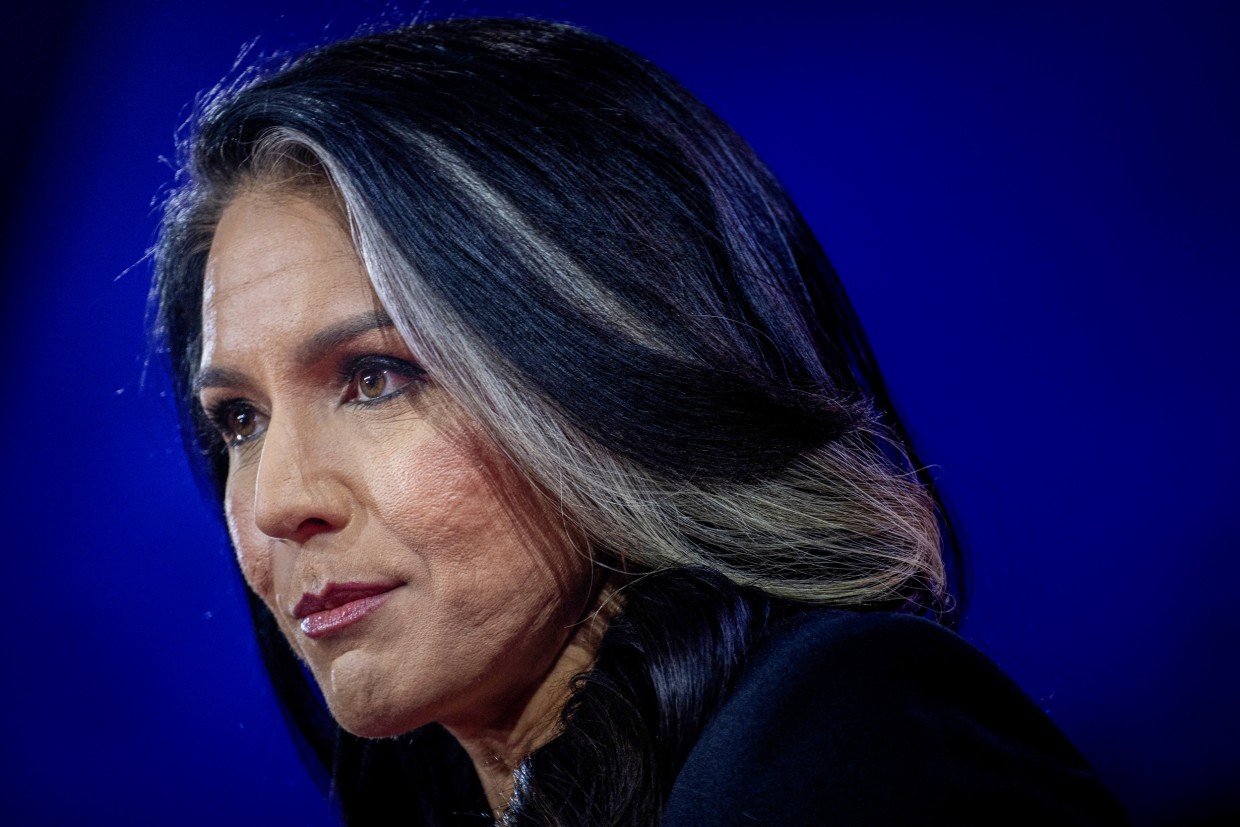
Tulsi Gabbard Faces Scrutiny Over Intelligence Nomination and Past Controversies
Tulsi Gabbard, once seen as a rising star in the Democratic Party, has found herself at the center of controversy after her nomination for the position of U.S. Director of National Intelligence. Gabbard's past actions, particularly her positions on Syria and Russia, have raised concerns among both Democratic and Republican lawmakers. This scrutiny stems from her controversial views and past meetings with Syrian President Bashar al-Assad, which some fear could jeopardize U.S. intelligence and diplomatic relations.
In 2018, during a closed-door meeting of the House Foreign Affairs Committee, there was significant concern among congressional staffers about Gabbard's presence at a briefing with a Syrian defector, known as Caesar. Caesar had exposed horrific atrocities committed by the Assad regime, including mass executions and torture. Given Gabbard's past praise for Assad and her unsanctioned meeting with him in 2017, staffers worried she might leak sensitive information or even disclose Caesar's identity, which could have put him in grave danger. According to reports, both Democratic and Republican staffers coordinated efforts to protect Caesar’s anonymity and prevent Gabbard from taking any compromising photos or gathering information that could be shared with the Assad regime.
Also Read:- SpaceX Launches 23 Starlink Satellites for Global Connectivity
- Kendric Davis Returns for Big Adelaide 36ers Showdown with Perth Wildcats
Despite these concerns, Gabbard’s spokesperson has dismissed these claims, labeling them as baseless and politically motivated attacks. She has consistently defended her actions, asserting that her views on Syria are driven by a desire to end U.S. involvement in endless wars rather than any sympathy for authoritarian regimes. She also stated that she has always complied with the rules around classified information, having held a top-secret security clearance during her tenure in Congress.
However, her critics remain unconvinced. Nearly 100 former diplomats, national security officials, and intelligence experts have expressed alarm over her nomination, arguing that her past actions raise serious questions about her ability to lead U.S. intelligence agencies. These officials are particularly concerned about her stance on Syria, where she has openly questioned the U.S. intelligence assessments of Assad's chemical weapons attacks. Gabbard has repeatedly cast doubt on the official narrative, aligning herself with the rhetoric of Russia and Assad, which has only fueled concerns that she might not be an objective and reliable intelligence leader.
The potential consequences of Gabbard's leadership over U.S. intelligence agencies are significant. Some fear that U.S. allies, particularly those in the "Five Eyes" intelligence alliance (the U.S., the UK, Canada, Australia, and New Zealand), may withhold critical intelligence if they feel Gabbard's past sympathies could compromise national security. These concerns are exacerbated by her previous remarks about NATO and her appearances on Russian state media, where her views have sometimes mirrored Kremlin talking points.
While Gabbard has dismissed these criticisms as attacks from the foreign policy establishment, many still question her judgment. Her rise in the political sphere has been marred by allegations that she has been too willing to adopt authoritarian talking points and challenge the U.S. government's stance on international conflicts. As her confirmation hearings approach, the debate over her suitability for this critical role is only intensifying.
Read More:


0 Comments