

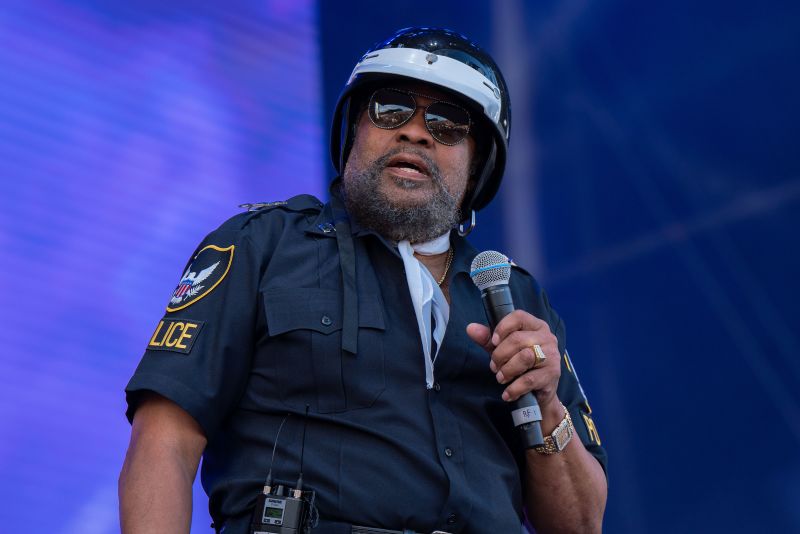
Village People Frontman Victor Willis Speaks Out Against 'YMCA' Misinterpretations
Victor Willis, the lead singer and lyricist of the iconic disco group Village People, has firmly addressed misconceptions surrounding the band's 1978 hit song "YMCA." Often regarded as an anthem of the LGBTQ+ community, Willis has taken to social media to challenge this interpretation, asserting that the song was never intended as a "gay anthem" and warning of potential legal action against those perpetuating this narrative.
In a candid Facebook post, Willis clarified his stance, stating that assumptions about the song's meaning stem from its connection to his openly gay writing partner, Jacques Morali, and the perception of the YMCA as a meeting spot for gay men at the time. He insisted that these factors do not define the song’s intent, urging people to reconsider their interpretations. According to Willis, "YMCA" was inspired by his observations of the urban YMCA culture in San Francisco, where Black men would gather for sports, recreation, and camaraderie. He described the phrase "hang out with all the boys" as 1970s Black slang for men spending time together, emphasizing there is "nothing gay about that."
Also Read:- FBI Warns of Major Cybersecurity Risks for iPhone and Android Users
- Gout Gout Breaks 56-Year Australian 200m Record at Just 16
Despite its widespread adoption as a symbol of LGBTQ+ pride over the years, including its presence at parades and celebrations, Willis expressed frustration with what he views as a mischaracterization of the song's essence. He acknowledged that while members of the gay community may connect with the song, it was never intended to carry the thematic weight ascribed to it.
Adding to the complexity, "YMCA" has also gained traction in political contexts. Former President Donald Trump notably used the track at campaign rallies, prompting mixed reactions from Willis. Initially critical of its association with Trump, Willis later expressed willingness to let the song be used freely, as it continues to experience a resurgence in popularity.
Looking ahead, Willis warned of legal consequences for organizations or media outlets that describe "YMCA" as a gay anthem without factual basis. He affirmed his right as the song’s creator to define its narrative and protect its legacy.
In essence, Willis’s message underscores his commitment to preserving the integrity of the song’s original intent while navigating its enduring cultural significance.
Read More:


0 Comments