

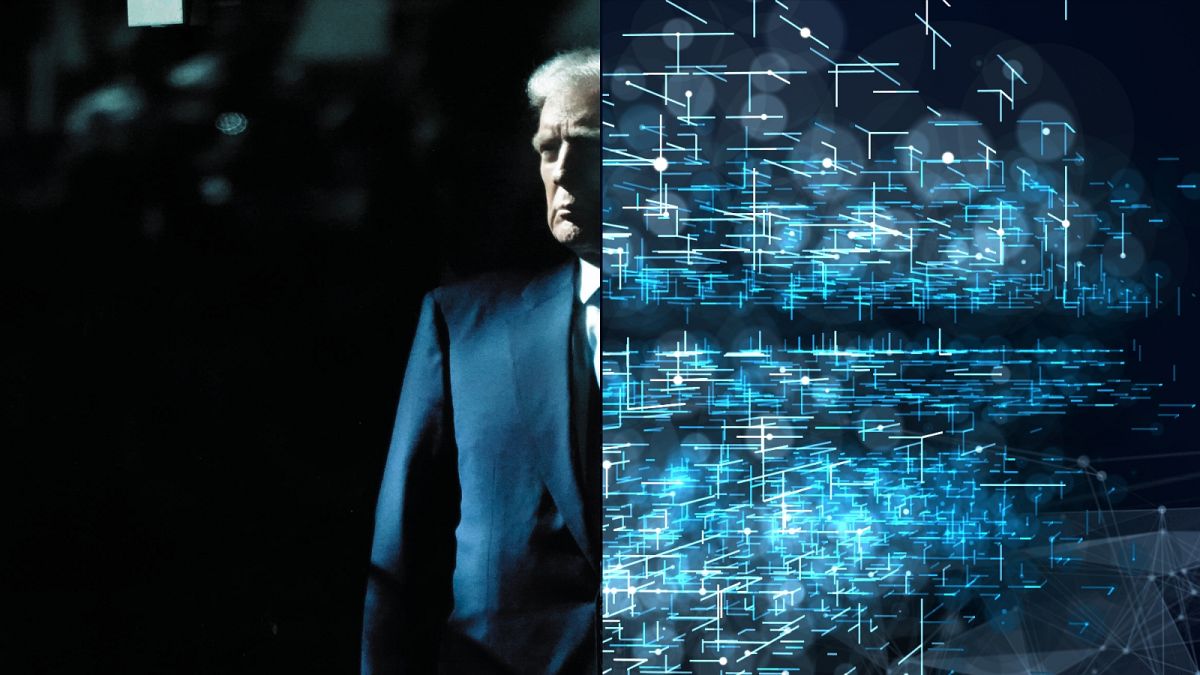
What Could David Sacks' Influence Mean for Trump's AI Vision in 2024?
As the United States enters a new era under President Donald Trump's second administration, all eyes are on how the future of Artificial Intelligence (AI) will be shaped. While Trump has not fully articulated his stance on AI, the increasing prominence of tech experts like David Sacks suggests that AI policy could take center stage in the coming years. Sacks, a Silicon Valley investor and a key advisor to the Trump campaign, is widely known for his bold views on technology, free-market principles, and regulation. His influence on the AI landscape could be significant, especially as the country braces for new policies that may either accelerate or hinder AI innovation.
David Sacks, the co-founder of PayPal and a prominent figure in Silicon Valley, has long been an advocate for deregulation and a laissez-faire approach to technology. In particular, Sacks is known for his support of innovation in AI, believing that too much regulation could stifle growth and the potential benefits of the technology. As Trump assembles his team for the next administration, Sacks’ philosophy on AI is likely to play a role in shaping policies that affect everything from machine learning to autonomous systems.
Also Read:- Tension Reaches Boiling Point: Jamahal Hill and Alex Pereira Face Off at UFC PI
- Islam Makhachev to Defend Lightweight Title Against Arman Tsarukyan at UFC 311
One of the primary areas where Sacks’ influence could be felt is in the debate over AI regulation. The Biden administration, which has emphasized the need for clear regulatory frameworks, created the AI Safety Institute to assess the risks of AI and ensure its safe deployment. Under Biden's leadership, there has been a growing concern about AI’s potential to perpetuate biases, create ethical dilemmas, and disrupt labor markets. However, figures like Sacks argue that too much governmental oversight could slow down progress and hinder the development of transformative AI technologies.
Sacks has made it clear that he favors a hands-off approach, allowing the private sector to lead AI advancements. This viewpoint aligns with Trump’s broader philosophy of reducing governmental intervention in business. However, such a stance does not come without its critics. Many experts argue that without adequate regulation, AI could exacerbate existing social inequalities or lead to unforeseen consequences, such as deepening surveillance and privacy issues.
Moreover, the increasing militarization of AI, driven by both public and private sector investments, adds another layer of complexity. Reports suggest that Sacks and other figures in Trump’s circle are considering the application of AI in national defense, aiming to bolster military capabilities through advanced technologies. This could lead to a competitive arms race in AI, with countries like China and Russia already investing heavily in AI for defense.
At the same time, figures like Elon Musk, who has been vocal about the need for AI regulation, could balance out the influence of more free-market advocates like Sacks. Musk has warned about the existential risks of AI, especially regarding its potential to develop beyond human control. Trump’s cabinet, which includes a mix of pro-regulation and anti-regulation figures, will likely find itself at a crossroads when addressing these concerns.
So, as Trump’s second term takes shape, the role of figures like David Sacks in shaping AI policy will be pivotal. Sacks’ pro-innovation, anti-regulation stance could lead to an AI landscape where the U.S. continues to push ahead in technological advancements without heavy regulatory constraints. However, this approach may come with significant risks, especially in the areas of safety, ethics, and military applications. As the debate over AI regulation intensifies, it will be crucial to watch how Sacks' influence, combined with the diverse views within Trump’s administration, will impact the development and deployment of AI in the years to come.
Read More:


0 Comments