

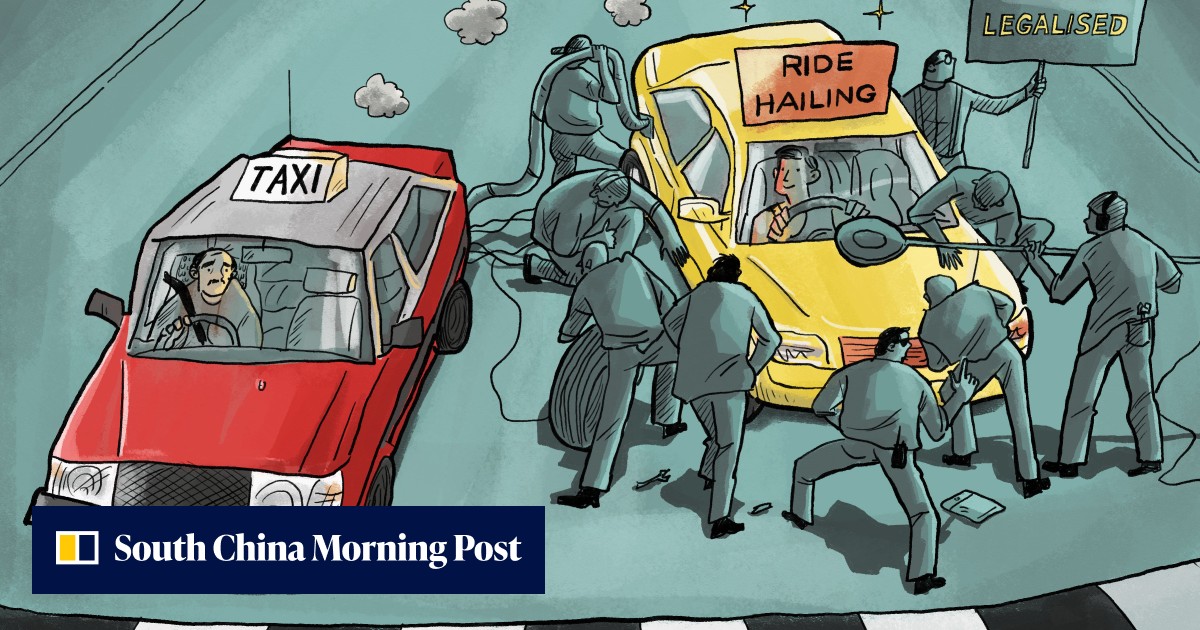
Hong Kong’s Ride-Hailing Dilemma – Balancing Innovation and Taxi Industry Concerns
Hong Kong’s ride-hailing industry is at a turning point. After over a decade of operating in a legal gray area, companies like Uber may soon be formally regulated. The government is finally pushing for a legal framework that could level the playing field for both traditional taxis and ride-hailing platforms. But this long-overdue decision isn’t coming without a fight.
The city’s taxi industry has been vocal about its opposition to ride-hailing services, arguing that unregulated platforms are hurting their livelihoods. The frustration reached a boiling point this week when the powerful Hong Kong Tele-call Taxi Association announced a possible five-day strike starting March 5 if the government doesn’t take immediate action. On the other hand, another major taxi group, the Taxi Drivers and Operators Association, is calling for a more measured approach, favoring discussions over drastic protests.
Also Read:- Matt Goss Reflects on Bros, Fame, and the Future of His Music
- Could Canada Really Become the 51st U.S. State? Here’s How It Would Work
At the heart of this conflict is a long-standing issue—passenger dissatisfaction with Hong Kong’s taxi service. Since Uber’s arrival in 2014, the platform has gained immense popularity among commuters frustrated with rude cabbies, outdated vehicles, and inconsistent service. Other ride-hailing services, including Singapore-based Tada and China’s Amap and Didi Chuxing, have since entered the market, further intensifying the competition.
For years, taxi drivers have pushed the government to crack down on unlicensed ride-hailing operators. Their argument? These services operate outside legal boundaries, leading to unfair competition. The government had previously signaled plans to regulate the industry but has been slow to act, allowing the market to become increasingly polarized.
Now, pressure is mounting for clear and decisive action. The Transport Secretary, Mable Chan, is spearheading efforts to bring ride-hailing services under proper regulation, ensuring safety for passengers while also protecting taxi drivers. The big question remains: how will the government strike a balance between innovation and preserving the livelihoods of traditional taxi operators?
While ride-hailing platforms offer convenience and modernized service, regulation is essential to prevent monopolization and unfair pricing tactics. Many experts believe Hong Kong should follow the example of other cities—introducing fair licensing, safety measures, and price controls to ensure both taxis and ride-hailing services can coexist.
The coming weeks will be crucial. If the government can introduce a well-structured legal framework that considers all stakeholders, Hong Kong might finally resolve a decade-long transportation debate. But if they fail to act swiftly, tensions between the taxi industry and ride-hailing firms could escalate, potentially leading to service disruptions and further public frustration.
Read More:


0 Comments