

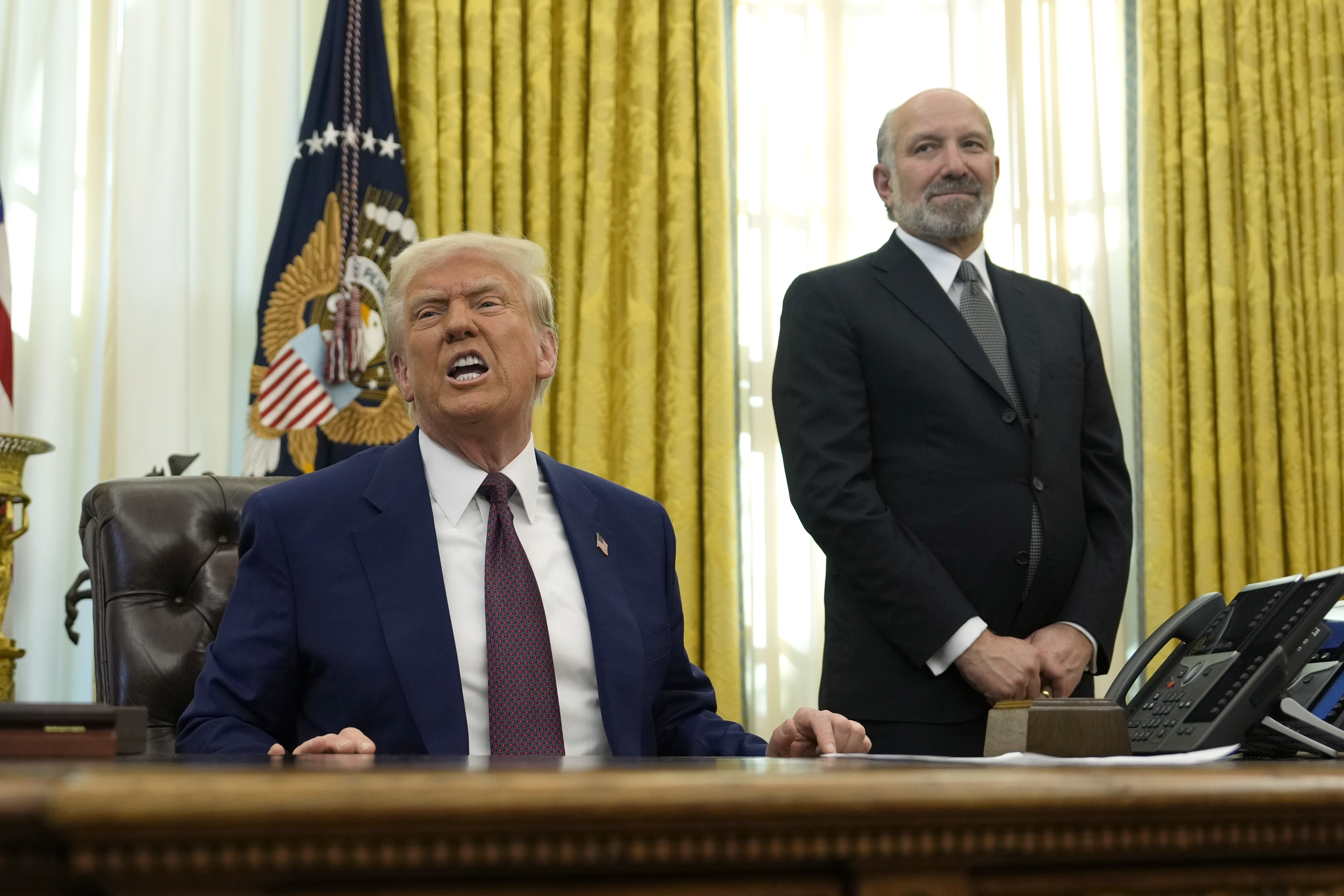
Trump's Reciprocal Tariffs: Fair Trade or Risky Gamble?
Alright, let’s talk about this latest move from Donald Trump—his call for "reciprocal tariffs" on imports to the U.S. If you’ve been following trade news, you know this could be a major shake-up for global markets, and Canada is right in the crosshairs.
So, what’s Trump saying? Basically, he argues that the U.S. has been treated unfairly in trade, claiming other countries impose higher tariffs on American goods than the U.S. does on theirs. His solution? Match their tariffs, dollar for dollar. If they charge the U.S. 25% on something, the U.S. will charge them 25% right back. Sounds fair, right? Well, it’s more complicated than that.
Under World Trade Organization (WTO) rules , countries are supposed to set tariffs fairly across the board, not picking and choosing based on where goods come from. So, if Trump’s plan means imposing different tariffs on different countries, it could break those rules. And if the U.S. goes down that road, we could see retaliation from trading partners , leading to a full-blown trade war.
Also Read:- Girona vs. Getafe – Un Partido de Intensa Lucha en LaLiga EA Sports
- Backstreet Boys Announce ‘Millennium 2.0’ and Extend Las Vegas Residency
Now, how does Canada fit into all this? Technically, the U.S. and Canada already have free trade agreements, meaning most goods between the two countries move without tariffs . But Trump’s definition of “reciprocal” seems broader—he's including taxes, regulations, and even currency policies as reasons to slap tariffs on trading partners. That means Canadian industries, like steel, aluminum, and auto manufacturing , could get hit with new tariffs —something that would hurt businesses on both sides of the border.
Would this strategy even help the U.S.? That’s up for debate. While Trump argues that higher tariffs will protect American jobs, most economists say tariffs end up costing consumers more because imported goods get more expensive. And in reality, the U.S. already has one of the lowest average tariff rates in the world— just 3.3% compared to the EU’s 5% and China’s 7.5% . So while some countries do charge higher tariffs than the U.S., it’s not as simple as saying America is always on the losing end.
And here’s another problem—if the U.S. truly wants "reciprocal" tariffs , that could mean lowering some of its own. For example, the U.S. charges a 25% tariff on imported trucks , while the EU only charges 10% . Would Trump be willing to reduce U.S. truck tariffs to match Europe’s? Probably not. So, is this really about fairness, or just about raising tariffs selectively where it benefits American industries?
At the end of the day, this policy isn’t just about numbers—it’s about global relationships . If the U.S. starts slapping tariffs left and right, other countries won’t just sit back —they’ll respond with tariffs of their own. And that means higher costs for businesses and consumers , supply chain disruptions, and uncertainty for markets—including Canada’s.
So, is this a smart move or a reckless gamble? That depends on who you ask. But one thing’s for sure—if Trump follows through with this, we’re in for some turbulent times in global trade .
Read More:


0 Comments