

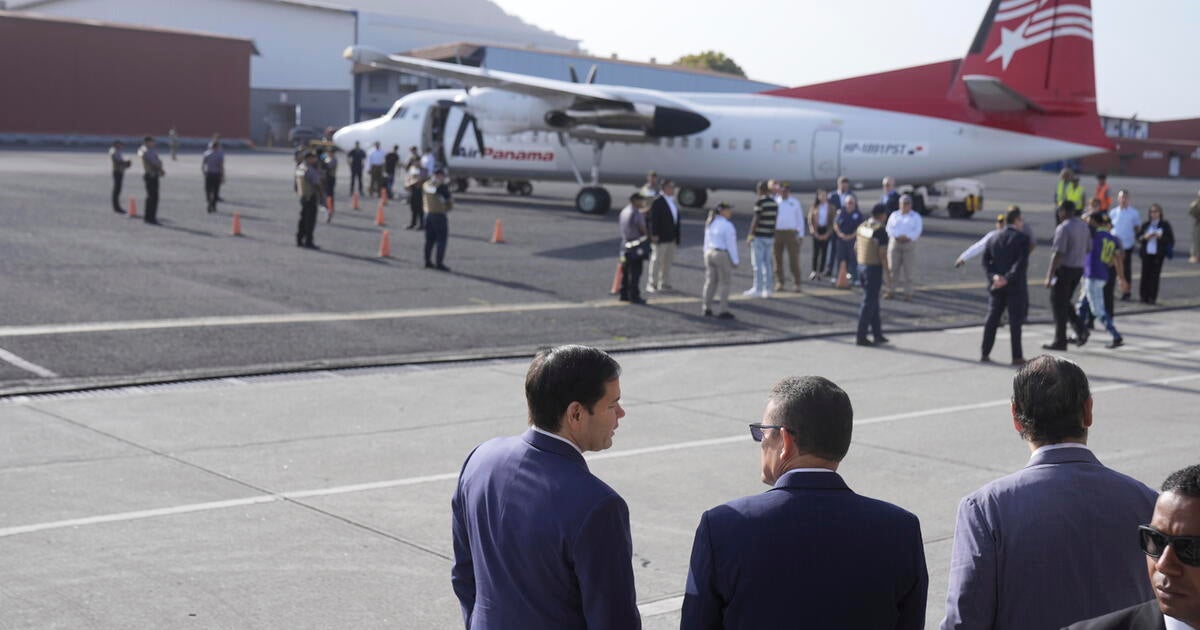
U.S. Deports Asian and African Migrants to Panama in Major Policy Shift
The U.S. has begun deporting migrants from Asia and Africa to Panama in what is being described as a significant diplomatic breakthrough for the Trump administration. This marks a notable shift in immigration policy, as many of these deportees come from countries that have historically refused to accept U.S. deportation flights.
This week, a U.S. military plane transported 119 migrants from nations including Afghanistan, China, India, Iran, Uzbekistan, Nepal, Pakistan, Sri Lanka, Turkey, and Vietnam to Panama. This is reportedly the first deportation of its kind under the current administration. Another flight is scheduled to carry additional migrants, including some from Cameroon. The U.S. has agreed to cover the costs of these deportations under a newly established agreement with Panama.
Also Read:- Necaxa sorprende al América con un triunfo agónico en el Clausura 2025
- Leicester City vs Arsenal – A Crucial Premier League Showdown
The move highlights an aggressive push by the Trump administration to remove migrants who have been difficult to deport due to logistical challenges and diplomatic barriers. Many countries in Africa and Asia have been unwilling to accept deportation flights, making it harder for the U.S. to repatriate migrants from these regions. This agreement with Panama provides a new route for expelling non-Panamanian migrants.
Panama’s role in this policy shift is particularly notable, given its strategic importance in global migration. The country sits along the Darién Gap, a dense jungle corridor that has become a major transit route for migrants trying to reach the U.S. from South America. In 2023, over 500,000 migrants crossed the Darién jungle, primarily from Venezuela. While this number dropped to 300,000 in 2024, migration through the region remains a pressing issue for both Panama and the U.S.
The decision to deport migrants to Panama also comes amid renewed tensions over the Panama Canal. President Trump has expressed interest in regaining control of the canal, which the U.S. handed over to Panama in 1999. Panama’s leaders have strongly rejected any notion of U.S. control but have agreed to allow American military ships to transit the canal under specific conditions. This deportation agreement may be linked to broader diplomatic negotiations between the two countries.
Despite this policy shift, there are many unanswered questions. How will Panama handle these migrants? Will they be held in shelters before being repatriated to their home countries, as officials suggest? And what does this mean for other nations that have refused to accept deportees?
For now, this agreement represents a major step in the U.S. crackdown on illegal immigration. Whether other countries in the region follow suit remains to be seen.
Read More:


0 Comments