

Israel and Iran at the Brink: A New Era of Conflict or Collapse?
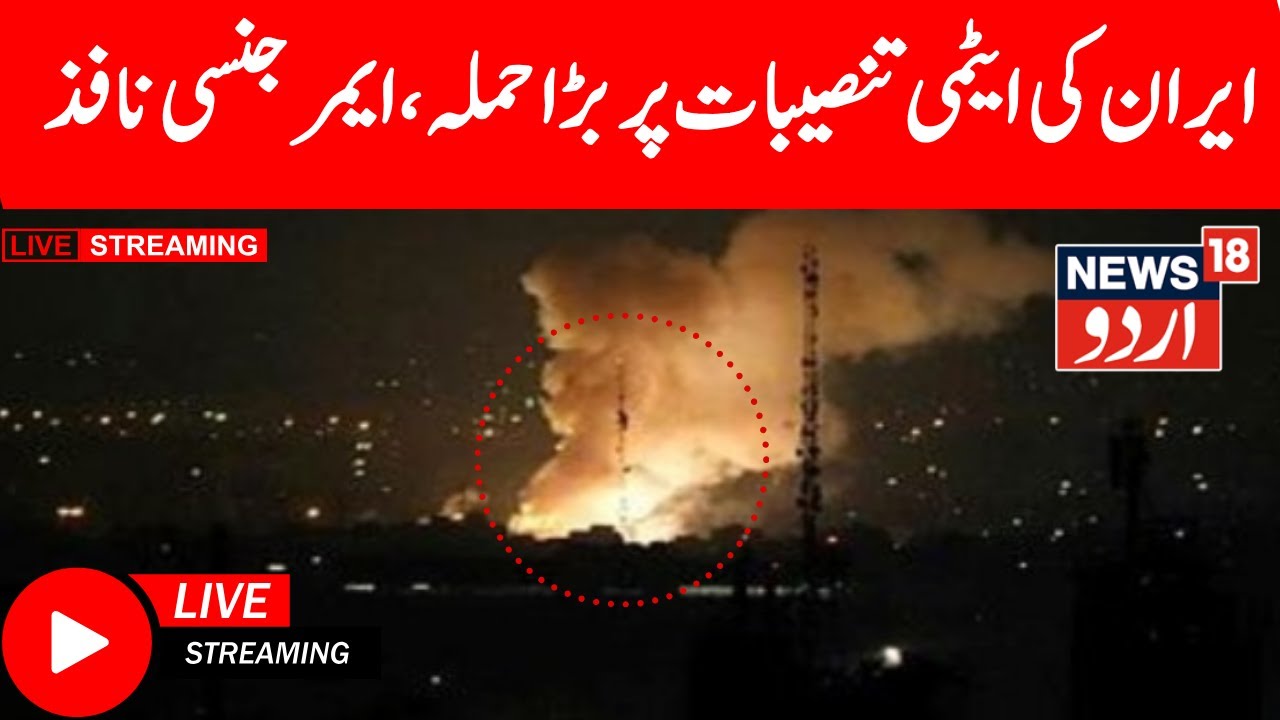
Right now, the world is watching a dangerous escalation unfold between Israel and Iran—what many are calling a turning point that could reshape the Middle East. What began as proxy warfare, assassinations, and covert operations has erupted into direct strikes on capitals, infrastructure, and lives.
This all traces back to October 7, 2023, when Hamas launched a deadly assault on Israel, triggering a chain of retaliation that has since expanded across the region. Israel’s initial counteroffensive in Gaza was intense and devastating, largely neutralizing Hamas and striking at the heart of what Tehran had built over a decade—a so-called “axis of resistance” designed to deter Israel and project Iranian influence. Once Hamas was weakened, Israel turned its focus to Hezbollah, wiping out much of its leadership and military assets in southern Lebanon. Then, Syria—long an Iranian ally—saw the fall of the Assad regime as rebels surged forward without Hezbollah to back them.
This string of tactical victories paved the way for what we’re now witnessing: direct Israeli airstrikes inside Iran, including on the capital, Tehran. Israel’s Prime Minister Benjamin Netanyahu has openly declared that these operations are not just military—they are meant to “clear the path” for Iranian people to achieve their freedom. And though it’s unlikely Iran will suddenly realign with the West, the strikes have undeniably shaken the foundations of the Islamic Republic.
Also Read:- Jake Paul Stuns with First-Round Knockout Despite Struggling with Execution
- Billionaire Len Blavatnik in Talks to Join Telegraph Ownership Deal
The Israeli attacks have killed senior figures in the Islamic Revolutionary Guard Corps—men who were not just military leaders, but symbols of Iran’s revolutionary legacy. Among them were nuclear scientists and veterans of the Iran-Iraq War, people whose influence has shaped Iran’s identity for over four decades. Their loss is more than tactical—it’s symbolic, potentially destabilizing the regime’s internal power structure.
Iran has responded with its own missile barrages, killing civilians in northern Israel and targeting infrastructure in Haifa. But its retaliation has been less effective than its rhetoric suggests. Israeli air defences intercepted many attacks, and Iran’s regional allies—like Hezbollah and Hamas—are too depleted to offer meaningful support.
What’s especially concerning now is the shift in Israel’s targeting. It’s no longer just about military installations or nuclear facilities. Israeli jets have struck Iran’s energy infrastructure—key economic arteries like the South Pars gas field and the Shahran oil depot. This marks a new phase: economic warfare. Iran is already suffering from sanctions and mismanagement, and now its energy sector, vital for both revenue and domestic stability, is under siege.
Public reaction on both sides is fractured. While many Israelis support strong action against Iran, there’s growing skepticism about whether regime change is realistic—or even the true goal. Some suspect Netanyahu is leveraging war to distract from internal crises and political challenges at home. In Iran, anger is boiling as civilian casualties mount, yet with key allies weakened, Tehran’s options are narrowing.
Globally, there’s rising alarm. The Strait of Hormuz—the lifeline of global oil trade—may be in jeopardy if Iran pushes further. The U.S. and Russia are treading cautiously, balancing condemnation, diplomacy, and warnings. Talks over Iran’s nuclear program have collapsed. Diplomacy is off the table—for now.
We are in uncharted territory. Whether this leads to regime collapse in Iran or spirals into a broader regional war remains to be seen. What is clear, however, is that the old rules of engagement in the Middle East no longer apply. This is a conflict that could reshape the region—or consume it.
Read More:


0 Comments