

Court Orders New Trial or Release in Etan Patz Murder Case
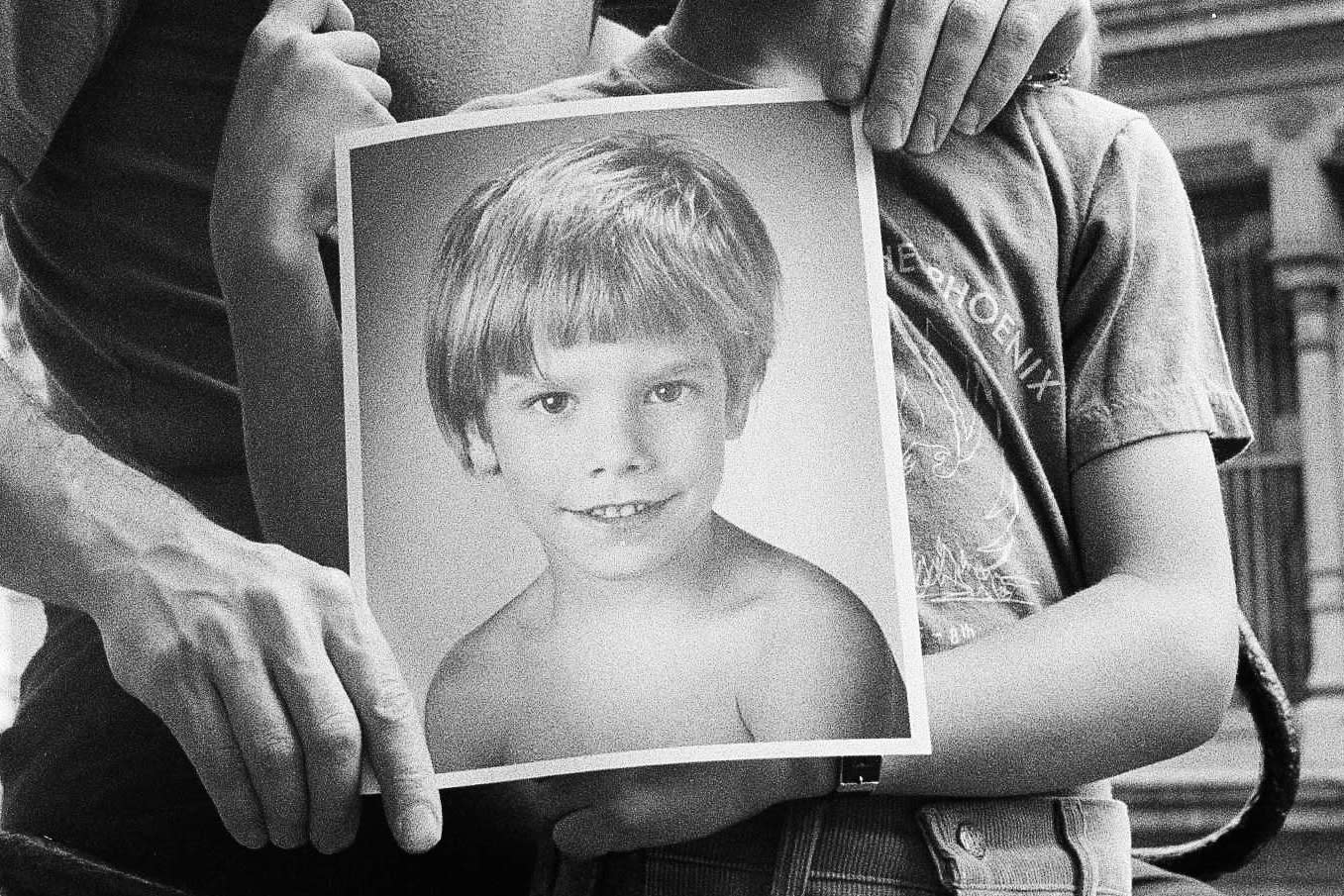
Let’s talk about a case that has haunted New York City for over four decades—a case that changed how America deals with missing children. I'm talking about the 1979 disappearance of 6-year-old Etan Patz, a boy whose photo was one of the first ever placed on milk cartons to help find missing kids. And now, in a dramatic turn of events, the man convicted of his kidnapping and murder, Pedro Hernandez, may soon be free—or face a brand new trial.
Just this week, a federal appeals court overturned Hernandez’s 2017 conviction, citing a critical error made by the original trial judge. According to the court, the jury in Hernandez’s second trial was misinformed about how to treat his confessions—particularly the one given before he was read his Miranda rights. That mistake, the court said, wasn’t just a small error—it was so serious that it violated clearly established federal law and could have directly impacted the jury’s verdict.
Also Read:- Remembering Malcolm-Jamal Warner: A Legacy Cut Short at 54
- Jennifer Lopez Stuns Fans With Bold, Steamy Stage Moves in Tenerife
To understand the weight of this, we need to look back. Etan Patz vanished on May 25, 1979, just two blocks from his Manhattan home. The disappearance launched a massive search effort and an emotional public response. For decades, no one was held responsible—until 2012, when Pedro Hernandez, then a former teenage stock clerk at a neighborhood bodega, confessed. Authorities said Hernandez lured the child with a soda, then strangled him and left the body in a trash pile. No physical evidence was ever found, and no witnesses ever came forward. His confession, however, became the core of the case.
Here’s the complicated part: Hernandez has a long-documented history of mental illness and a low IQ. His lawyers have argued that his confession was the product of intense, unwarned, hours-long police interrogation. He confessed on tape only after being questioned for about seven hours without being read his rights.
During his second trial, the jury had questions about the validity of those confessions. One of their notes specifically asked whether they had to disregard the later videotaped confessions if they found the earlier one to be involuntary. The judge answered with a simple “no,” without giving the legal nuance or explanation required. That single word response now stands at the heart of why Hernandez’s conviction has been thrown out.
So what happens now? The appeals court says Hernandez must either be retried or released. The Manhattan District Attorney's office is currently reviewing the decision. Meanwhile, Hernandez’s legal team is calling for the charges to be dropped altogether, claiming their client has already spent more than 13 years behind bars for a crime he did not commit.
This case is more than just a legal battle—it’s a painful chapter in American history. Etan Patz's disappearance changed how we think about child safety. But now, decades later, the question remains: Did the system get it wrong? And if so, what does justice look like—both for the memory of Etan Patz and for Pedro Hernandez?
Read More:


0 Comments