

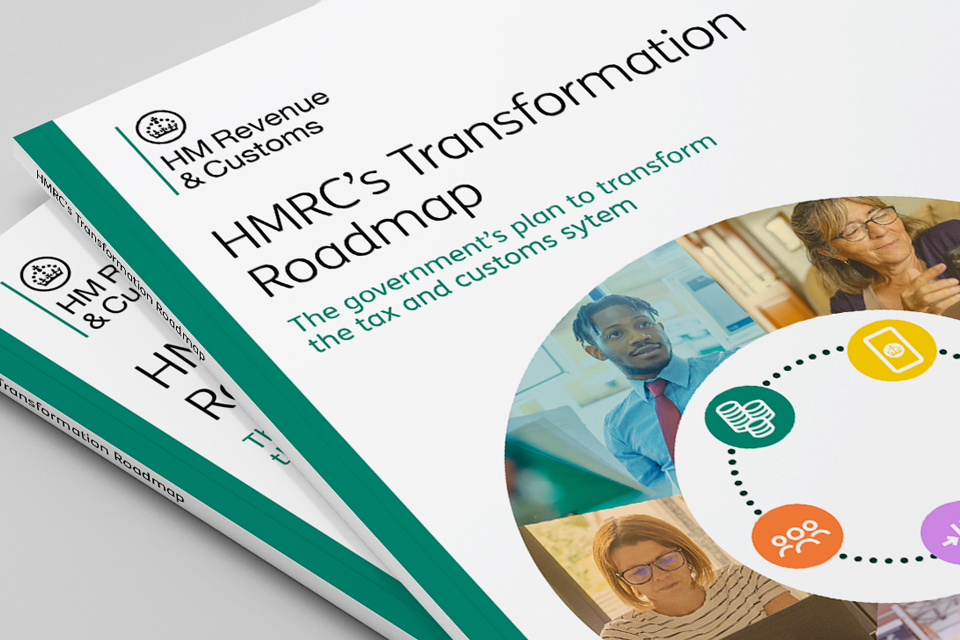
HMRC’s Ambitious Digital Transformation Sets Vision for 2030
Right now, HMRC is stepping into one of the most significant transformation journeys we’ve seen in public service—its newly published Transformation Roadmap is setting the tone for a bold, future-ready tax and customs system. It’s a clear statement of intent: to simplify tax administration, close the tax gap, and modernise the customer experience—all by 2030.
So what does this mean in practical terms? HMRC is aiming for a future where at least 90% of customer interactions happen digitally. That’s a big leap from today’s 76%. But it’s not just about being digital—it’s about doing digital right. The goal is to build intuitive, personalised systems that make it easier for everyone—from individuals to businesses—to manage their tax affairs with confidence.
Also Read:- Giancarlo Stanton’s Power Takes a Backseat to a Surge in Singles
- Giants and Braves Face Off in Crucial Midseason Clash at Truist Park
The roadmap makes it clear: AI will play a huge role. From automating simple tasks to providing real-time answers, HMRC is investing in smarter tools that reduce the need for calls and paperwork. For example, a new online PAYE service will allow 35 million taxpayers to update incomes, allowances, and expenses—all from their phones or desktops. Even PAYE expenses claims will be streamlined with pre-filled forms and document uploads to cut down on fraud and admin time.
And the change isn’t only for individuals. Tax agents and advisers—those who often manage affairs for others—will benefit too. HMRC is improving how advisers are authorised, enhancing multi-agent functionality, and offering more collaborative tools. They’re also working with software providers and professional bodies to ensure agents can work more efficiently on behalf of clients.
One of the most reassuring aspects is HMRC’s commitment to inclusivity. Yes, the push is for digital, but they’re not leaving anyone behind. For people who are digitally excluded or have more complex needs, targeted adviser-led support will still be there. And for added peace of mind, features like digital progress tracking, reassurance texts, and pre-populated forms are being rolled out to help reduce anxiety around tax compliance.
Security, of course, is a major focus. New voice biometrics are being trialled for phone verification, and by 2027, most users will access HMRC via the new GOV.UK One Login—bringing a unified, secure sign-in for all government services.
All this ties into a broader ambition to free up time for people and businesses, allowing them to focus on growth instead of getting bogged down in bureaucracy. In short, HMRC isn’t just tweaking the current system—it’s reimagining it. And with the right investment, cultural shift, and collaboration, it looks like they’re on track to deliver a tax system that’s fit for the future.
This isn’t just transformation. It’s a fundamental reset of how we interact with the tax system.
Read More:


0 Comments