

Aussie Dollar Hits One-Year Low Amid US Interest Rate Decisions
The Australian dollar has been dealt a heavy blow, plunging to its lowest level in over a year at 62 US cents. This sharp decline comes in the wake of the US Federal Reserve's latest decision to cut interest rates by a quarter point, bringing the target range to 4.25% to 4.5%. While the cut was widely anticipated, the Fed's announcement of a slower pace of reductions next year sent shockwaves through the financial markets.
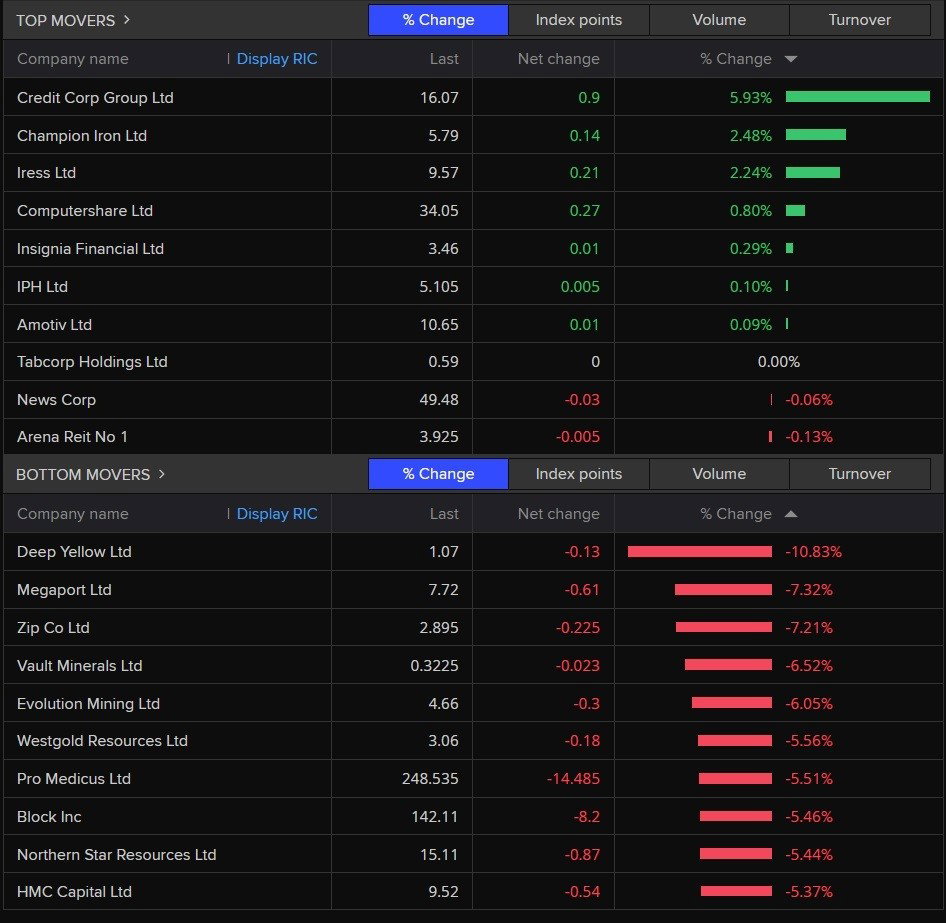
The Fed’s move triggered a sell-off, pushing US Treasury yields higher and causing the US dollar to surge to a two-year high against several major currencies. This rally saw the greenback strengthen by over 2% against the Aussie dollar, leaving it at levels not seen since October 2023. Australian financial markets mirrored the turmoil, with the ASX200 index plunging 1.8% during early trading.
Also Read:- Donnarumma’s Brush with Danger: A Shocking Incident on the Pitch
- Real Madrid Shines Bright in Intercontinental Triumph Over Pachuca
Federal Reserve Chair Jerome Powell emphasized that while inflation had eased significantly, it remained above the Fed's target of 2%. He maintained optimism about the US economy, suggesting the Fed is nearing the end of its easing cycle. However, updated forecasts reveal only two expected rate cuts in 2025, half of what was projected earlier. This cautious outlook rattled global markets, including Australia’s, where economic resilience is already being tested.
The domestic repercussions are stark. A weaker Australian dollar means higher import costs, potentially intensifying inflationary pressures. This could lead to tighter conditions for Australian consumers, as the Reserve Bank of Australia navigates its own monetary policies amid global uncertainty.
As traders digest these developments, all eyes are now on upcoming decisions from the Bank of England and the Bank of Japan, which could add further volatility. For now, the Australian dollar’s slide underscores the ripple effects of US monetary policy across global markets, leaving investors and policymakers bracing for what lies ahead.
Read More:


0 Comments