

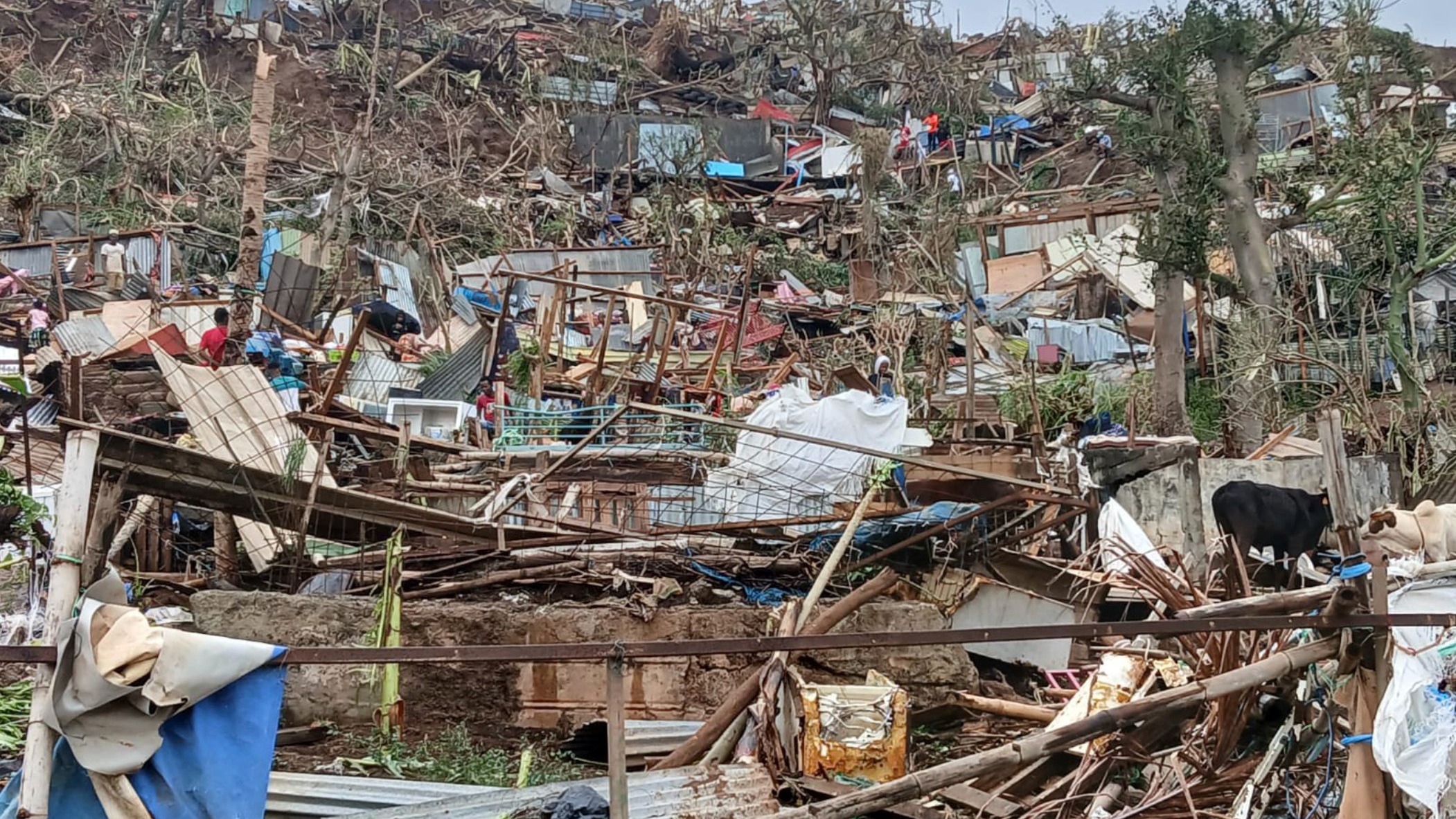
Cyclone Chido Strikes Mayotte: Strongest Storm in Over 90 Years Devastates the Island
Cyclone Chido has left a path of destruction across the French island of Mayotte, with officials estimating that close to a thousand lives may have been lost. This powerful storm, which struck on Saturday, is the most intense cyclone to hit the region in more than 90 years, according to France’s national meteorological service, Météo-France. The cyclone's impact has been catastrophic, not just for Mayotte, but also for nearby Comoros and Madagascar, further compounding the disaster.
Mayotte, located around 500 miles off the east coast of Africa, is a French overseas region with a population of just over 300,000 people spread across two main islands. It has long been one of France's poorest territories, struggling with issues like drought, underinvestment, and gang violence. The arrival of Cyclone Chido has only worsened these pre-existing challenges, plunging the island into a full-blown crisis.
Also Read:- Monterrey vs. Club America: A Thrilling Liga MX Final Awaits!
- Broncos End Seven Years of Losing Football with Victory Over Colts
According to Mayotte’s top official, Prefect François-Xavier Bieuville, the storm's ferocity has made it difficult to ascertain an exact death toll. However, he warned that the number could climb into the thousands, given the violence of the cyclone’s impact. Early reports confirmed at least 11 deaths, but as the storm's aftermath continues to be assessed, that figure is expected to rise significantly. The United Nations Children’s Fund (UNICEF) also confirmed widespread damage to homes, schools, and healthcare facilities, with many of these buildings either partially or completely destroyed.
In response to the crisis, the French government has mobilized a massive emergency response effort. The French Interior Ministry has deployed 1,600 police officers and gendarmes to assist in rescue operations. In addition, military aircraft and ships have been sent to provide much-needed supplies and evacuate affected residents. France is also working closely with local authorities to ensure that essential services, such as healthcare and education, continue to function as much as possible during this difficult time.
Cyclones, like Chido, are a natural part of Earth's weather system. They form when warm sea temperatures cause air above the ocean to rise, creating thunderstorms. If these thunderstorms group together, they can develop into a powerful storm system. Once the cyclone hits land, it begins to weaken, but its impact on the landscape can be devastating, as we’ve seen with Cyclone Chido.
The cyclone season in the southeastern Indian Ocean, which lasts from December to March, has already seen multiple powerful storms in recent years. Cyclone Idai in 2019 claimed over 1,300 lives in Mozambique, Malawi, and Zimbabwe, while Cyclone Freddy last year left more than 1,000 dead across several countries. Experts predict that climate change will make these storms more intense, with higher rainfall and stronger winds, even though the frequency of cyclones might not increase. This underscores the vulnerability of countries in southern Africa, which contribute little to global warming but are often at the forefront of its destructive impacts.
As the region grapples with the aftermath of Cyclone Chido, the international community has been urged to offer support. The humanitarian needs in Mayotte and its neighboring countries are expected to grow in the coming weeks, highlighting the urgent need for aid and long-term solutions to address the broader impact of climate change.
Read More:


0 Comments