

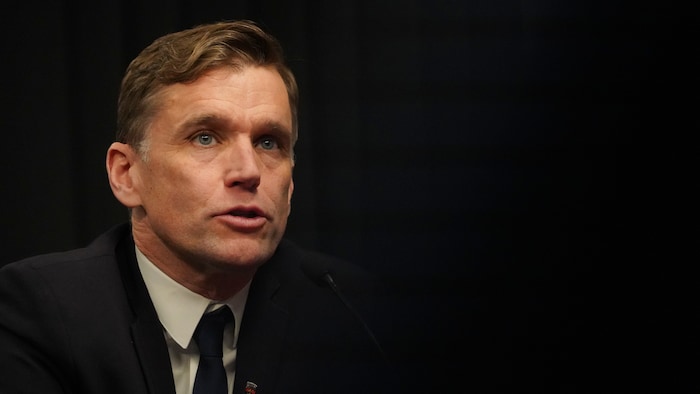
Marchand Confirms City's Commitment to Fund Tramway Project with No Borrowing
Bruno Marchand, the Mayor of Quebec City, has made a bold statement regarding the city's commitment to the TramCité project, a major tramway development aimed at improving public transportation in the region. In a recent announcement, Marchand confirmed that Quebec City is prepared to pay its $675 million share of the project "in cash," without the need to borrow funds. This marks a significant milestone for the TramCité initiative, as it moves forward with an ambitious plan to enhance the city's transportation infrastructure.
The total cost of the TramCité project is estimated at $7.6 billion, with the city contributing up to $750 million, depending on how the project progresses. Marchand’s statement indicates that even if costs rise during development, the city's maximum contribution will remain capped at $750 million. By opting to fund the project without borrowing, the city plans to save approximately $500 million in interest payments that would have otherwise accrued from taking out loans.
The mayor's decision to fund the city's portion without taking on debt is part of a broader strategy to ensure the project’s financial sustainability. To achieve this, Quebec City intends to strengthen its climate reserve fund, which will help cover the costs of the tramway. Additionally, the city is expecting increased revenues from property taxes due to upcoming real estate projects, which will further support the funding efforts. These new developments are projected to add at least $40 million in additional revenues by 2034, and potentially much more as the city grows.
Also Read:- Stowaway Caught Again After Attempting to Flee to Canada
- Canada’s Inflation Rate Shows Subtle Slowdown in November, Impacting Future Rate Cuts
Marchand also made it clear that the city will not raise taxes to fund the tramway, emphasizing that any increases will be limited to inflation. He assured residents that the value of new properties will help generate enough funds to cover the costs, without burdening taxpayers. The development of new buildings along the tramway route will play a key role in financing the project, creating a sustainable cycle of growth that benefits both the city and its citizens.
One notable change from earlier discussions around the project is the decision not to charge developers along the tramway route a special fee. Originally, there had been talks of a redevance, a fee on developers investing in properties along the tram's path, but the mayor stated that this approach is no longer necessary. The increasing value of real estate and the expected population growth make the redevance unnecessary, and removing it will stimulate more investments in the area, which will ultimately help fund the tramway.
This shift in strategy reflects the evolving economic landscape and the city's focus on fostering growth while maintaining financial prudence. Marchand expressed confidence that these changes would allow Quebec City to keep its promises to both residents and developers, avoiding unnecessary costs and delays.
The TramCité project promises to revolutionize public transportation in Quebec City, offering a modern and efficient tramway system that will serve key areas such as Sainte-Foy, Université Laval, and Charlesbourg. With the first phase of the project expected to cover 19 kilometers and include 29 stations, it will significantly improve mobility and reduce travel times for residents across the region.
So, Mayor Bruno Marchand’s commitment to funding the tramway without borrowing is a bold and forward-thinking approach that reflects both fiscal responsibility and a vision for the city's future. With strong financial planning, increased property values, and careful management of public funds, Quebec City is on track to deliver one of the most exciting public transportation projects in its history.
Read More:


0 Comments