

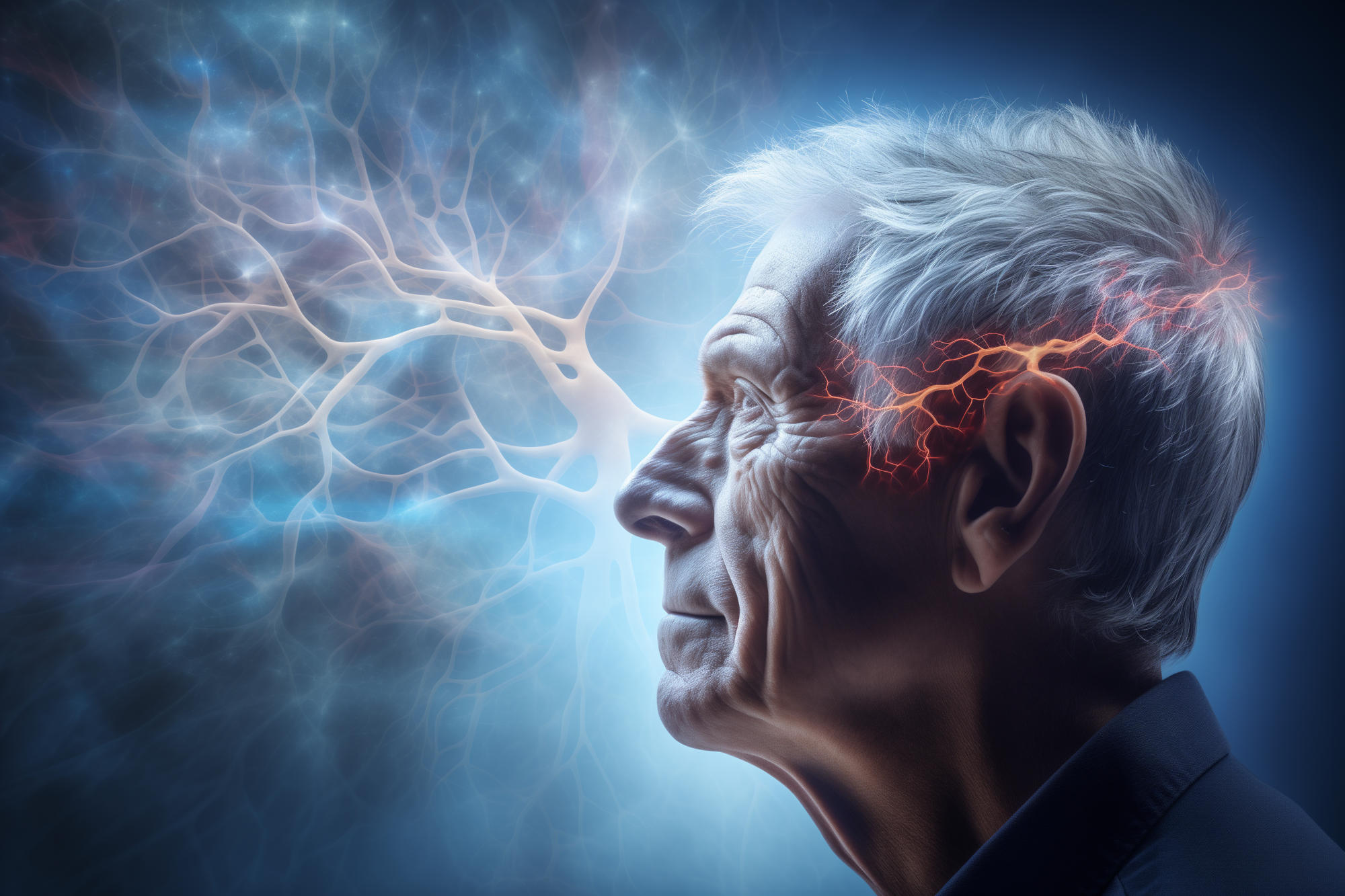
New Drug Shows Hope for Fighting Cognitive Decline in Parkinson’s Disease
Parkinson’s disease is widely recognized for its impact on motor skills, manifesting as tremors, rigidity, and slowed movements. However, cognitive decline is another serious and often overlooked consequence of the disease, affecting mood, memory, and decision-making abilities. A recent breakthrough offers new hope in tackling this debilitating aspect of Parkinson’s.
Researchers at the University of Arizona have explored the potential of a drug called PNA5. This innovative treatment has shown promise in reversing memory loss in animal models. Originally developed for vascular dementia, PNA5 targets a specific receptor linked to blood pressure regulation. What makes it especially appealing is its ability to break down safely in the body while delivering its intended effects.
Also Read:- Travis Kelce's Heartfelt Plans to Make Taylor Swift's 35th Birthday Extra Special
- South Africa Triumphs in Thrilling Second Test Against Sri Lanka
In their study, scientists administered PNA5 to mice exhibiting Parkinson’s-like symptoms. They tested the mice’s cognition through various challenges and analyzed their brain tissue. Remarkably, the drug not only improved memory—both spatial and recognition—but also reduced inflammation in the brain. This was achieved by calming hyperactive immune cells called microglia, which are believed to exacerbate cognitive decline when overstimulated. By restoring microglia to a healthier state, PNA5 helps mitigate damage in areas of the brain like the hippocampus, which is critical for memory.
Lead researcher Kelsey Bernard highlighted the significance of this approach, stating, “We’re aiming to not only address cognitive symptoms but also to prevent further degeneration. The protective effects of PNA5 give us hope for halting the progression of cognitive issues in Parkinson’s patients.”
Although the results in animal models are promising, the drug’s safety and effectiveness in humans are yet to be proven. Clinical trials will be essential to validate its potential as a viable treatment. Given that up to 70% of Parkinson’s patients experience cognitive impairment in the later stages, breakthroughs like this offer much-needed optimism. With further research, PNA5 could pave the way for a new era in Parkinson’s care, addressing both motor and cognitive symptoms more effectively.
Read More:
0 Comments