

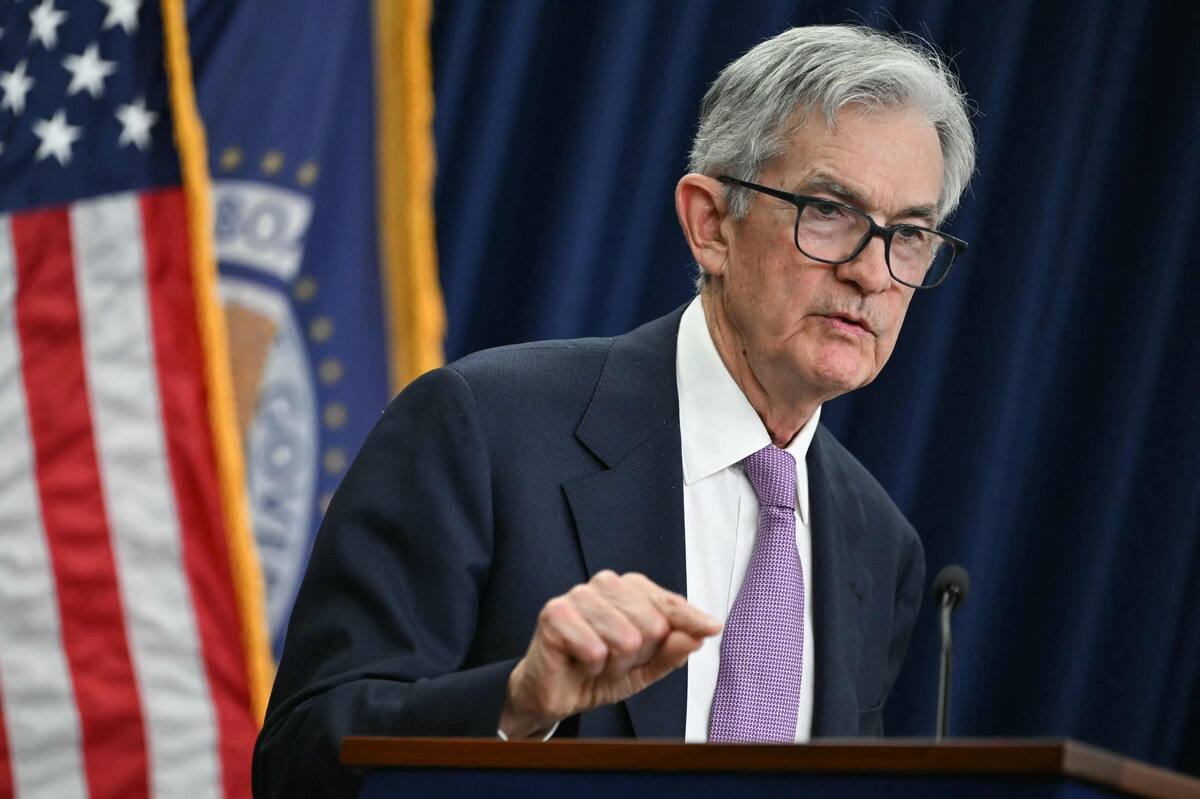
Wall Street Drops Sharply After Fed's Cautious Rate Cut Announcements
On December 18th, 2024, Wall Street ended the day with a significant decline, driven largely by the Federal Reserve's cautious stance on future rate cuts. The Fed's decision to lower its benchmark interest rate by 0.25% was seen as a signal that its aggressive rate-reducing policies might be slowing down. This news caught investors off guard, and the market reacted sharply.
The Dow Jones dropped by 2.58%, the Nasdaq by 3.56%, and the S&P 500 by 2.95%. This marks a considerable shift from the optimism in the market just a week ago, when investors had anticipated more rate cuts. In September, the Fed had forecasted four rate reductions for 2025, but now it is only expecting two. This revision is a significant change in direction and suggests that the Fed is becoming more cautious, possibly due to growing concerns over inflation and market volatility.
The market had heavily priced in the possibility of those four rate cuts, and with the new outlook from the Fed, the recalibration was swift. As a result, bond yields jumped, particularly the 2-year U.S. Treasury note, which saw its yield increase to 4.34%, up from 4.24% the previous day. This signals a rising level of caution in the financial markets, as investors adjust to the new expectations.
Also Read:- Tabu Embraces Empowering Women-Led Productions in Global Cinema
- Villarreal Faces Rayo Vallecano in LaLiga EA Sports – Live Updates
Sam Stovall, a market strategist from CFRA, explained that the severity of the market's reaction indicates that the Fed's statement took many by surprise. The reduced forecast for rate cuts, coupled with Fed Chairman Jerome Powell's comments about the uncertainties ahead, left investors feeling uneasy. Powell emphasized that the central bank's actions will be more cautious, acknowledging the risks of inflation and the unpredictable nature of the economy.
In fact, the market's nervousness was reflected in the VIX index, which measures investor anxiety. The VIX surged by 59%, a sharp spike rarely seen. This volatility suggests that investors are bracing for more uncertainty in the near future. Some analysts, like Stovall, observed that the market might have reached a peak at the end of November, and investors may now be looking to take profits, anticipating more turbulence ahead.
Among the sectors hardest hit were the technology and semiconductor industries. Stocks like Tesla and Broadcom saw sharp drops, as investors grew concerned about the effects of the Fed's decision on growth stocks. Even the financial sector, which had been struggling under the weight of higher interest rates, saw continued declines. Companies like Goldman Sachs, American Express, and JPMorgan Chase all saw their stocks fall, reflecting the broader uncertainty in the market.
Despite the widespread declines, some stocks managed to buck the trend. UnitedHealth, for example, saw a rise of 2.92%, following a sharp drop earlier in the month after the death of its CEO. The company’s valuation was considered attractive after this significant drop, making it one of the few bright spots on a bleak day for Wall Street.
So, the market’s response to the Fed’s more cautious stance underscores the uncertainty that continues to hang over the economy. While the Fed is taking a more conservative approach to rate cuts, the ripple effects on the stock market show how sensitive investors are to these changes. As we head into the new year, the volatility of Wall Street will likely remain high, with many investors staying on edge as they navigate the shifting economic landscape.
Read More:


0 Comments