

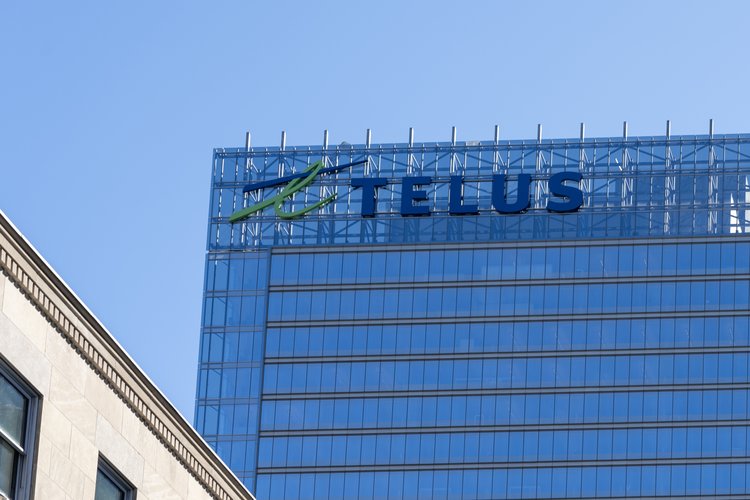
Telus Zeroes In on Canadian Investors in $1.2B Cell Tower Deal
Right now, there's a big move unfolding in the Canadian telecom industry, and Telus is right at the center of it. The Vancouver-based telecom giant has reached the second round of negotiations to sell a 49% stake in its cell tower network—valued at roughly $1.2 billion—and it’s narrowed down the pool of potential buyers to three of Canada’s biggest institutional investors. This is more than just a financial play; it’s a reflection of how the industry is shifting and how Telus is strategically preparing for the future.
The shortlisted buyers include Ontario Municipal Employees Retirement System (OMERS), the infrastructure division of Brookfield Corp., and the British Columbia Investment Management Corp. (BCI). These are no small players—each has extensive experience and investments in telecom infrastructure around the globe. If this deal closes, Telus will spin off its 3,000 wireless towers into a new company called Terrion, with a former Telus executive, Eros Spadotto, set to take the reins as CEO.
What’s the reason behind this move? Simply put—debt. Telus, like its Canadian rivals Rogers and Bell, has been grappling with the burden of massive long-term debt from years of infrastructure investment. At the end of the day, this partial sale is all about strengthening the balance sheet. Telus has committed to using 100% of the proceeds from this deal to pay down its $25 billion debt load, aiming to reduce its net debt-to-EBITDA ratio to 3 by 2027.
Also Read:- HBO Confirms The Last of Us Season 3 Coming in 2027
- Taree City Bulls Refuse to Quit Despite Tough 2025 Start
Interestingly, while foreign giants like SBA Communications, American Tower, and Crown Castle initially showed interest, they walked away when they learned Telus would retain control. These U.S. firms typically want full operational control, which Telus wasn’t willing to give up.
What makes Telus’s tower assets attractive to pension funds and infrastructure investors is their predictability. With estimated annual cash flow of $110 million and contracts locked in with major carriers, it’s the kind of steady, inflation-protected return these funds are looking for. Plus, the towers are located in six of Canada’s seven largest markets—a major plus.
This move follows a global trend where telecom companies are monetizing their infrastructure. Earlier this year, Rogers sold a nearly 50% stake in its wireless network to Blackstone and Canadian pension funds for $7 billion. Bell is also considering asset sales to reduce leverage.
Telus is also looking ahead. They’ve already announced plans to invest over $70 billion in their networks and operations over the next five years—funding new AI data centers, rural wireless expansion, and greener technologies. So this tower deal isn’t about scaling back—it’s about rebalancing the books to power future growth.
If everything goes as planned, we can expect the deal to be announced by the end of October and finalized before year’s end. For Telus, it’s not just about selling infrastructure—it’s about rewriting the financial playbook for a capital-intensive, slow-growth industry. And it’s being done right here, with Canadian partners, keeping critical assets at home.
Read More:


0 Comments