

Lindy Chamberlain Says Jurors Didnt Understand Evidence
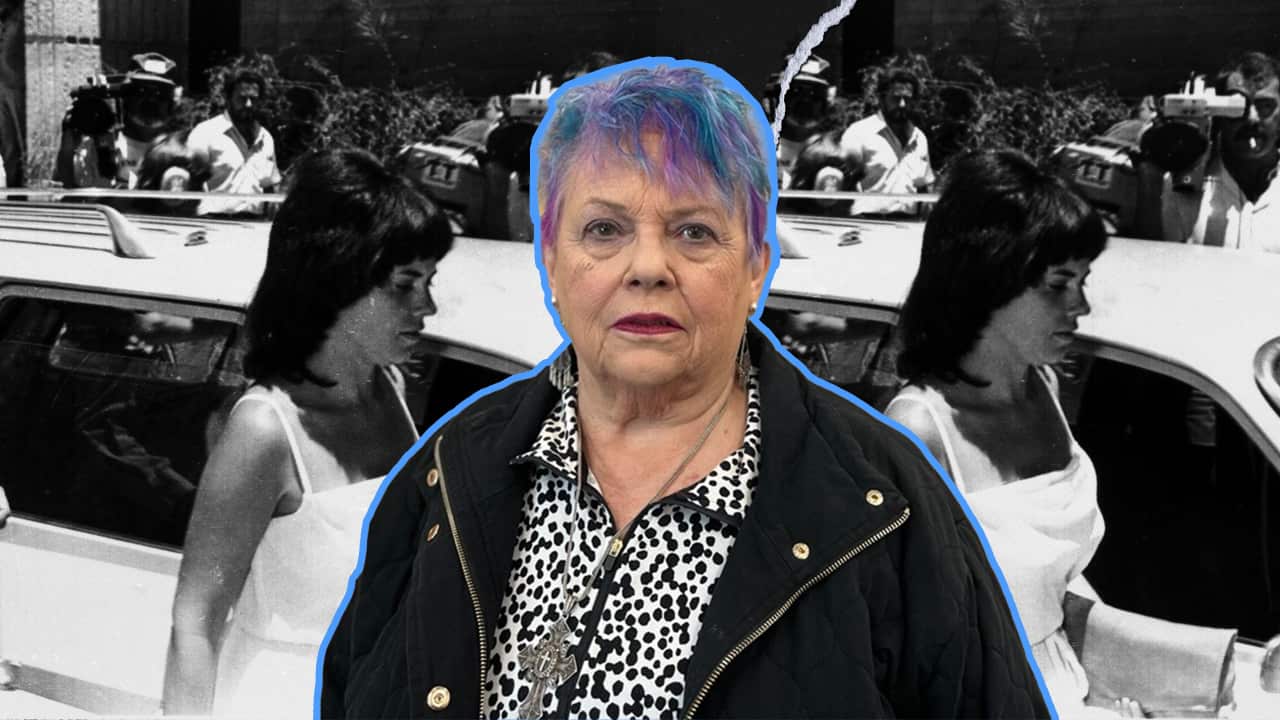
Lindy Chamberlain is speaking out decades after her wrongful conviction, asserting that the jurors in her 1982 trial simply did not comprehend the evidence presented. This powerful statement comes as she advocates for critical reforms to Australia's jury system, a system she believes failed her profoundly during one of the nation's most notorious miscarriages of justice. Her conviction for the murder of her nine-week-old daughter, Azaria, led to three years of imprisonment before crucial evidence surfaced and her name was finally cleared.
The case of Lindy Chamberlain remains a stark reminder of the fallibility within the justice system. Azaria was taken from the family's tent near Uluru in the Northern Territory in August 1980 and Lindy and her then-husband Michael had always maintained that a dingo was responsible. However, the initial trial saw Lindy convicted based on complex and ultimately flawed forensic evidence, a decision that sent shockwaves across Australia. It wasn't until 2012, years after Lindy's release and exoneration, that Azaria's death certificate was officially amended to state the cause of death as being taken by a dingo.
Also Read:- Colman Domingo Arrives At Premiere And Has Everyone Talking
- Sudan Peace Talks In UK Hit Block As Islamist Future Unclear
Chamberlain recalls the jury's deliberation with chilling clarity. She told SBS Insight that her legal team had predicted a swift acquittal if the judge's summation was accepted, but the jury's deliberation stretched for hours, indicating disagreement and confusion. Lindy felt the jurors were not "peers of the evidence," stating, "They didn't understand it. They had no idea." The scientific evidence, particularly concerning bloodstains, was so intricate that even legal professionals required extensive consultation with scientists to grasp its implications.
The matinee jacket belonging to Azaria, a key piece of evidence later found, was instrumental in Lindy's release from prison. A subsequent royal commission found the forensic evidence used in her trial to be faulty. Reflecting on this, Lindy noted a lack of checks and balances at the time, which she believes could have prevented such a devastating outcome. She now champions the idea that only thoroughly vetted and understandable evidence should be presented to jurors, pushing for a system that prioritizes accuracy and clarity over complexity.
One of the jurors from Lindy's trial, Yvonne Cain, later publicly identified herself, expressing deep regret and conviction that the jury had reached the wrong verdict. Yvonne confessed that the judge's pronouncement of a life sentence with hard labour deeply affected her, leading to sleepless nights and a profound sense of guilt. She recalled meeting Lindy after her release, where Yvonne's first words were an apology and Lindy found herself comforting the distraught juror.
The influence of media saturation during the Chamberlain trial was significant, as noted by former Supreme Court of New South Wales judge Anthony Whealy. He acknowledged that the relentless media portrayal of Lindy likely impacted the jury's ability to remain objective, despite judicial instructions to disregard external information. Whealy also pointed to the more recent Bruce Lehrmann trial as an example of how jury misconduct, such as possessing unpresented evidence, can derail proceedings, leading to mistrials and significant delays in achieving justice.
Despite these challenges, Whealy remains a staunch defender of the jury system, stating he would always prefer to be tried by a jury than by judges alone. However, Professor Blake McKimmie, a social psychologist specializing in jury decision-making, cautions that jurors are not blank slates; they bring their own biases and cognitive shortcuts, which can influence their evaluations of evidence. Lindy Chamberlain's ongoing advocacy for reform stems from a deep-seated desire to ensure no one else endures the injustice she faced, advocating for a more robust and comprehensible legal process.
Read More:


0 Comments