

China Considers Anchoring Yuan to Non-US Dollar Currencies for Economic Flexibility
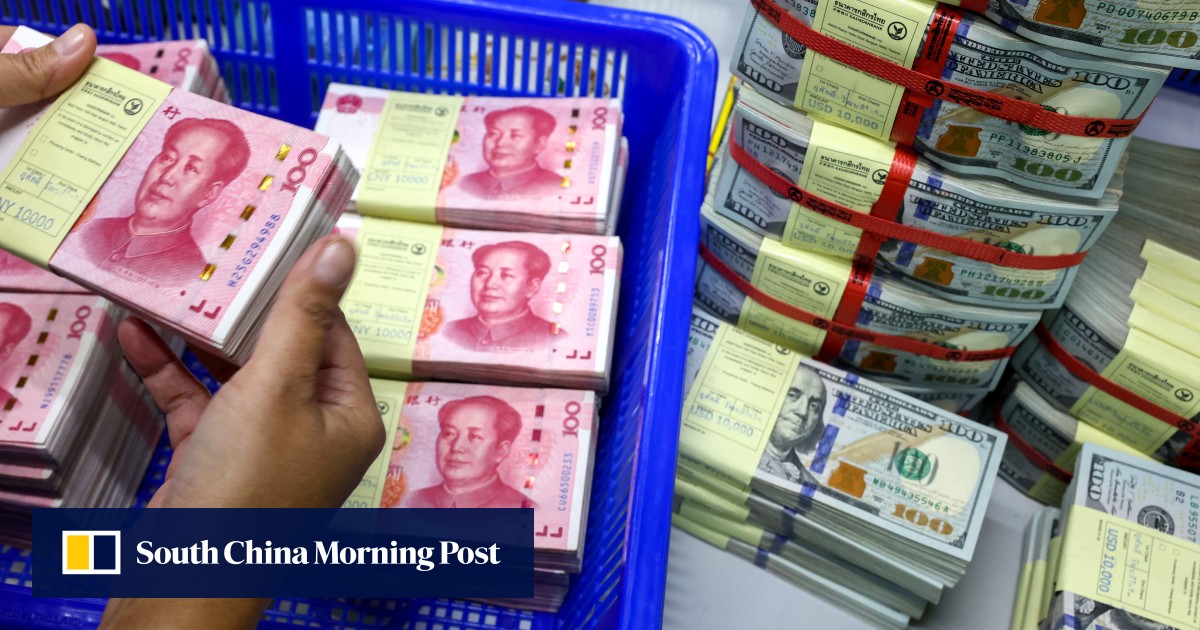
China’s policymakers are being urged to reconsider the way they manage the yuan’s exchange rate, with suggestions to anchor it to a basket of non-US dollar currencies. This proposal, put forth by the influential China Finance 40 Forum, is seen as a potential way to grant China more flexibility in managing its monetary policy, especially amidst increasing global uncertainties.
The China Finance 40 Forum, composed of senior financial experts and regulatory officials from Beijing, pointed out that the current situation—with a strong US dollar and looming tariff threats—creates significant challenges for China’s domestic economic strategy. In particular, they are concerned that the growing dominance of the dollar, paired with the external risks stemming from factors like the potential re-election of former President Donald Trump, could limit China's ability to enact effective policies. These policies are essential to boosting domestic demand and balancing the domestic economy without falling into conflict with external economic forces.
Also Read:- House Passes $895 Billion Defense Bill Amid Controversial Provision on Gender-Affirming Care
- Discovering John Wayne's Legacy at "An American Experience" Museum
One of the primary concerns for China is the limited space available for loosening its monetary policies in response to domestic economic slowdowns. This is because the country must also maintain a favorable interest rate spread with the US dollar to manage its exchange rate. If the yuan is too closely tied to the dollar, the room for effective domestic adjustments becomes increasingly constrained.
To address this issue, the think tank recommended that China consider temporarily anchoring the yuan to a basket of other major currencies, with a particular emphasis on the euro. This strategy, they argue, would provide China with a greater degree of flexibility against the US dollar. By reducing the tight fluctuation bands within which the yuan currently operates, this approach would allow for more dynamic responses to both internal and external economic shifts.
Moreover, this move could give China more control over its exchange rate, which would help policymakers better navigate the complexities of an evolving global economic landscape. Such a strategy would also empower China to make more strategic adjustments to its domestic monetary policy, creating additional room for necessary economic stimulus without being overly constrained by the strength of the US dollar.
However, not everyone agrees with the necessity of this shift. Some sources, such as the state-run publication Financial News, have indicated that the yuan's current exchange rate remains stable, with expectations for it to strengthen or stabilize by the end of the year. Despite these reassurances, the discussion around pegging the yuan to a non-dollar currency basket continues to gain traction as a means of balancing China’s monetary policy with the broader global economic environment.
This proposal highlights the broader strategic challenges facing China as it seeks to navigate complex economic relationships and potential external risks, all while trying to maintain flexibility within its own monetary system. Whether or not this move will come to fruition remains to be seen, but it underscores China’s ongoing efforts to bolster its economic stability in uncertain times.
Read More:


0 Comments