

COVID-19 Winter 2024: What to Expect in the U.S. as Cases Rise in Some States
As we approach the winter of 2024, concerns about a potential surge in COVID-19 cases are once again making headlines. While the situation has largely remained stable in recent months, experts are keeping a close eye on the data as colder weather sets in. Currently, the majority of the U.S. is experiencing relatively low COVID-19 activity, but with the winter season upon us, experts warn that the virus may begin to spread more widely as people spend more time indoors.
According to recent reports, while COVID-19 rates are still low in most parts of the country, some states are seeing higher levels of activity, particularly in the Midwest. These states include New Mexico, Arizona, Minnesota, and Missouri, where the virus has been detected at higher levels in wastewater, one of the most accurate methods of tracking viral spread. In fact, some areas have reported COVID-19 positivity rates of over 7%, notably in Nevada, Hawaii, California, and Arizona.
Also Read:- Ferran Torres: From Struggles to Success, the Unlikely Hero at Barcelona
- Police Crackdown on "Dodgy" Firesticks Warns Users of Serious Legal Consequences
However, many health experts are cautious about declaring a full-scale surge. Dr. Scott Roberts, an associate medical director at Yale School of Medicine, pointed out that the current COVID-19 rates are among the lowest the U.S. has seen in years. He believes that much of the population still retains immunity from previous infections, particularly from the summer wave that peaked in August 2024. Despite this, the Centers for Disease Control and Prevention (CDC) anticipates an increase in cases as we head further into winter, though the severity of this potential rise remains uncertain.
The symptoms of COVID-19 in winter 2024 are largely similar to those seen in earlier variants. Most cases involve mild respiratory symptoms such as a sore throat, congestion, runny nose, cough, and fatigue. Loss of taste and smell, which was once a hallmark of COVID-19, is still more commonly associated with the virus compared to other illnesses like the flu. However, it’s important to note that distinguishing COVID-19 from other respiratory infections based on symptoms alone can be challenging.
Experts also emphasize that while the XEC variant, currently dominant in the U.S., does not appear to cause more severe disease than previous strains, COVID-19 complications like pneumonia can still be serious. The elderly, those with underlying health conditions, and the immunocompromised are at greater risk of experiencing severe illness.
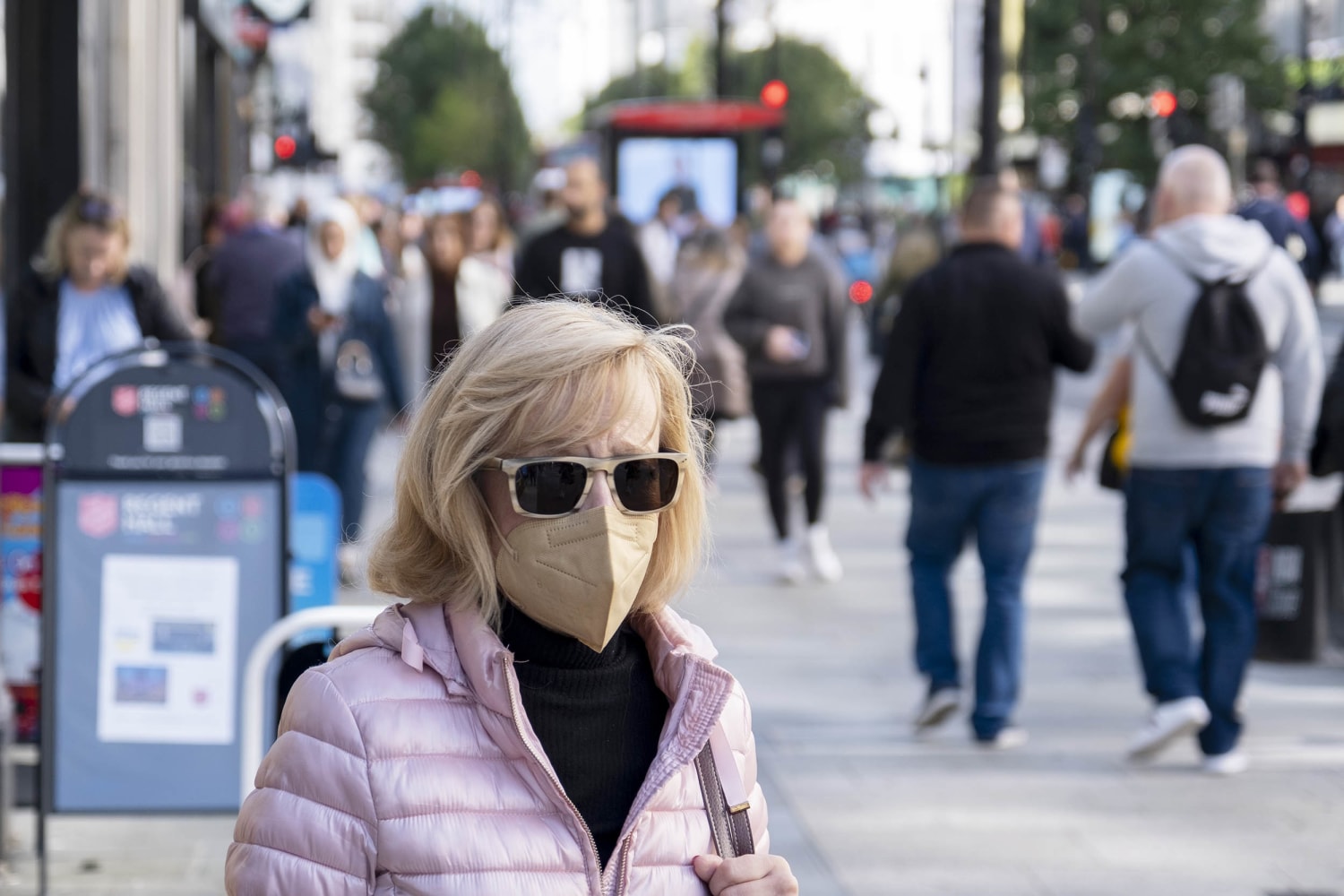
To protect yourself and others from COVID-19 this winter, it’s crucial to continue practicing good hygiene. The CDC recommends frequent handwashing, wearing masks in crowded places, and ensuring proper ventilation in indoor spaces. If you feel unwell or suspect you have COVID-19, it’s important to get tested and follow your doctor’s advice. Staying up to date with vaccinations remains a key strategy to prevent severe illness, as the CDC expects the current vaccine to remain effective against circulating variants.
As we navigate this uncertain time, it’s essential to stay informed and take the necessary precautions to protect our communities. Winter 2024 may see a rise in cases, but with the right measures, we can minimize the impact of COVID-19 on our health and daily lives.
Read More:


0 Comments