

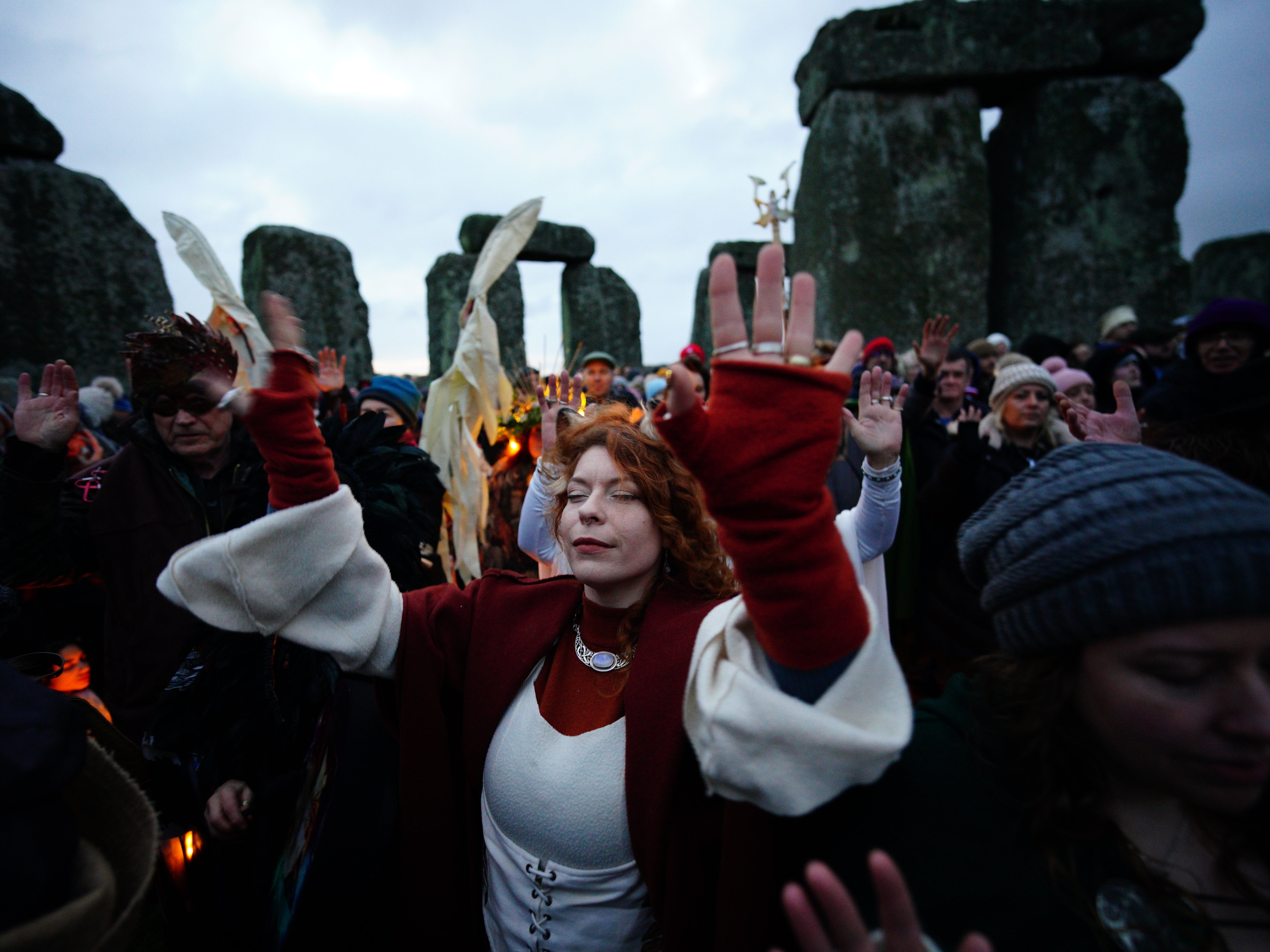
The Shortest Day of 2024: Iowa’s Winter Solstice and Its Early Sunset
As winter sets in, bringing with it shorter days and colder temperatures, many Iowans are eagerly awaiting the winter solstice, marking the shortest day of the year. It’s a day when we experience the longest night, and it also signals the start of winter, according to the Farmer’s Almanac. This year, the winter solstice will occur on December 21, 2024, at 3:21 a.m. Eastern Time. For those of us in Iowa, this marks not only the official beginning of winter but also the turning point when the days will begin to lengthen again.
During the winter solstice, Des Moines will receive just over nine hours of daylight. The sun will rise at 7:38 a.m. and set at 4:47 p.m. This gives a glimpse of how much sunlight we get on the shortest day of the year. While we might be used to the early sunsets as December progresses, it’s always a bit of a shock to feel like the day ends so quickly, especially with the cold settling in.
Also Read:- Shawn Mendes Opens Up About Love Triangle with Camila Cabello and Sabrina Carpenter
- Injury Strikes Again as Maple Leafs' Goaltender Stolarz Exits in 3-2 Win Over Ducks
Interestingly, Iowa has already been experiencing its earliest sunsets, with Des Moines seeing the sun set at 4:44 p.m. since December 1. Starting on December 15, this will shift slightly later, with sunsets occurring at 4:45 p.m., and by the end of the month, sunsets will stretch to 4:54 p.m. These gradual shifts mark the transition toward longer days, offering a small comfort during the depths of winter.
The winter solstice is more than just a marker of cold and darkness. It’s a reminder that the Earth’s tilt causes these seasonal shifts, and though winter may seem endless at times, the days will gradually get longer as we move toward the summer solstice in June. The solstice on December 21 also marks the end of the sun setting earlier each day. After this date, the days will slowly but surely begin to grow longer, bringing hope of more sunlight in the coming months.
Winter, in the northern hemisphere, officially lasts until March 20, 2025, when the vernal equinox arrives, bringing the first day of spring. But for now, the winter solstice serves as a turning point—a brief moment of the year when we get the shortest day, reminding us of the natural cycle of the seasons and the promise of longer, brighter days ahead. So while it may seem like the sun is setting too soon and the cold is biting, remember, change is coming—slowly but surely.
Read More:


0 Comments