

Iran Closes Schools and Offices Amid Severe Air Pollution Crisis
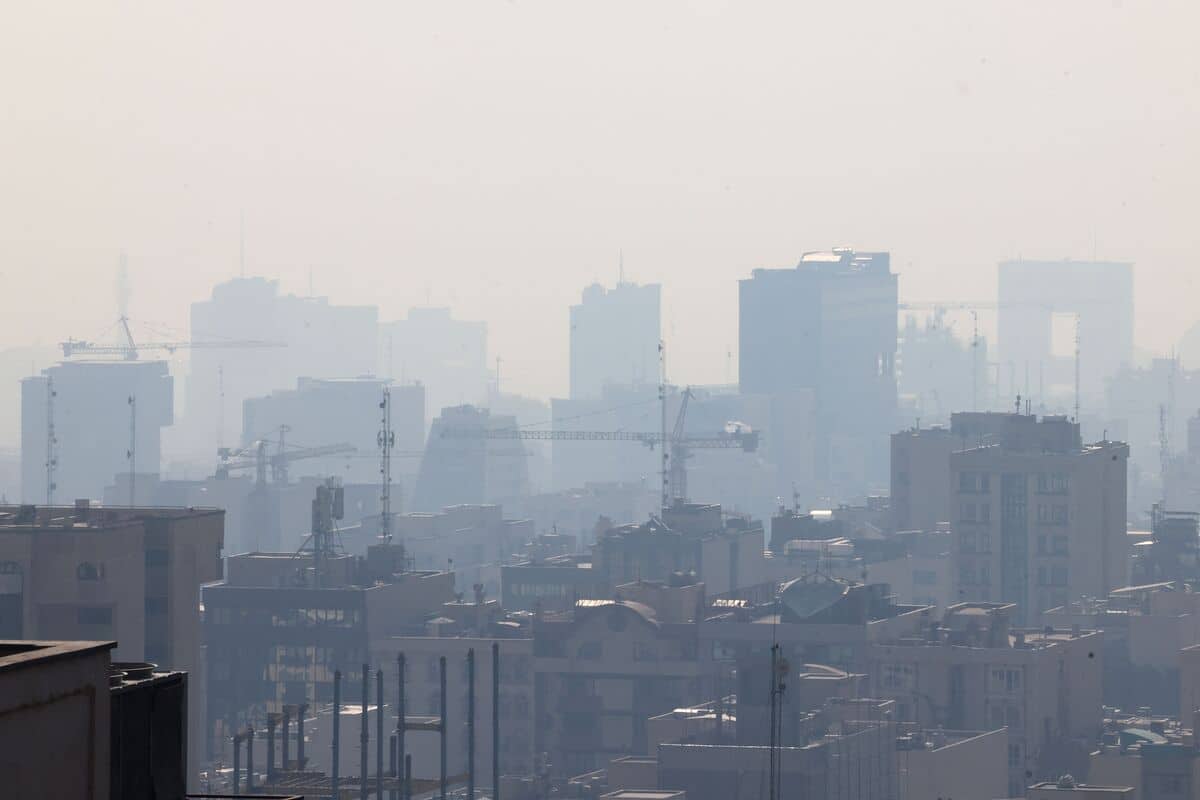
In Iran, especially in its capital, Tehran, severe air pollution has led to the closure of schools and government offices. The country is grappling with a heavy haze that has blanketed its major cities, disrupting daily life and posing serious health risks. This has prompted authorities to advise many people, including students and workers, to stay indoors on Wednesday and Thursday. The situation is particularly dire in Tehran, where the air quality has reached hazardous levels, according to state media reports.
Tehran is notorious for its pollution, especially during the winter months. From November to February, the capital experiences a phenomenon known as "thermal inversion," where cold air at higher altitudes traps the warm, polluted air below, exacerbating the pollution levels. On Wednesday, the air quality index (AQI) in Tehran reached 200, which is considered dangerous. This is more than ten times the acceptable level of harmful fine particulate matter (PM2.5) as set by the World Health Organization (WHO). The city is often covered in a yellowish fog that significantly reduces visibility, and even landmarks such as the iconic Milad Tower, standing at 435 meters, were obscured by the thick pollution.
Also Read:- Mujeeb Returns as Afghanistan Bat First in Thrilling T20I Clash with Zimbabwe
- Russia's Spy Chief Claims Ukraine War Close to End as Putin's Goals Near Achievement
While Tehran bears the brunt of the pollution, other major Iranian cities, including Isfahan, Tabriz, and Ahvaz, are also experiencing similar conditions. This persistent air quality crisis is largely attributed to several factors, such as outdated industrial infrastructure, an aging vehicle fleet, and the use of low-quality fuel. Moreover, the burning of heavy oil in power plants has worsened the air pollution in recent weeks, drawing criticism from the Iranian government.
The consequences of this pollution are severe. According to Mohammad-Reza Zafarghandi, Iran's Minister of Health, air pollution causes approximately 50,000 premature deaths every year across the country. The Iranian authorities have taken action in the past to address the situation, such as closing schools in Tehran for an entire week in 2019 due to similar pollution levels. However, despite these measures, the pollution continues to be a critical issue, impacting public health and quality of life.
The closure of schools and government offices is just one of the many responses to the worsening pollution. In Tehran, banks and museums have also shut their doors, and many residents are left to cope with the discomfort and dangers of living in a city under a thick layer of smog. As the pollution crisis continues, it highlights the urgent need for long-term solutions to address the environmental and health challenges posed by Iran’s worsening air quality.
Read More:


0 Comments